For the last five years, Kai has been in and out of a wheelchair. Constant hospital visits and multiple surgeries meant he needed caregivers throughout his recovery. But while staying with family, Kai found himself in the middle of a worsening home life – arguments, drinking, and even physical abuse. This left him in a state of depression that reflected internally and externally.
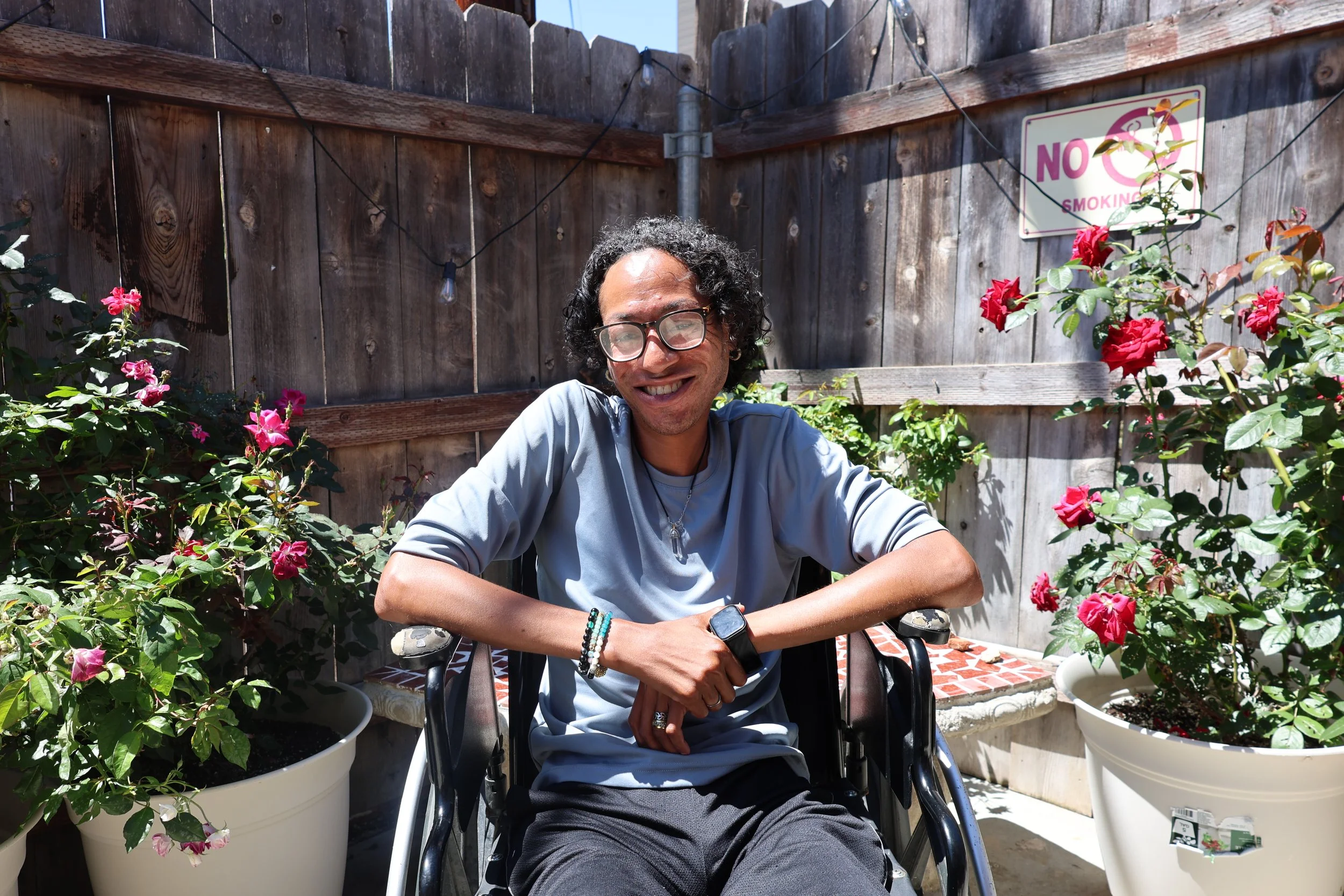
Kai has a newfound sense of independence and joy thanks to the compassionate care at Uptown Safe Haven. August 2026.
"I stopped shaving. I didn't do my hair. I barely showered... I was a mess, basically," he shared. With no home-cooked meals, Kai lost his appetite and stopped eating, which resulted in hospital stays for malnutrition. Unable to work and dreading his day-to-day, he turned to alcohol as a refuge. Then, when he least expected it, he was referred to ECS Uptown Safe Haven (UTSH).
UTSH provides residents with their own rooms in a safe and supportive communal housing facility. Initially, Kai was hesitant. "I didn’t know how they would react to me," he confessed. As a wheelchair user, he is all too aware of the looks of judgment he might receive from nondisabled people. To his surprise, UTSH staff and residents were warm and accepting.
"The first week here was just great,” Kai described. “They don’t judge, they're very welcoming and actually smiling.” Six months later, Kai has seen a large improvement in his mood and his drive. He’s clean-shaven, eating all his meals, and excited to build up his physical strength. “[My nurses] look at me now and say, ‘Oh my goodness, I don’t even recognize you anymore.’”
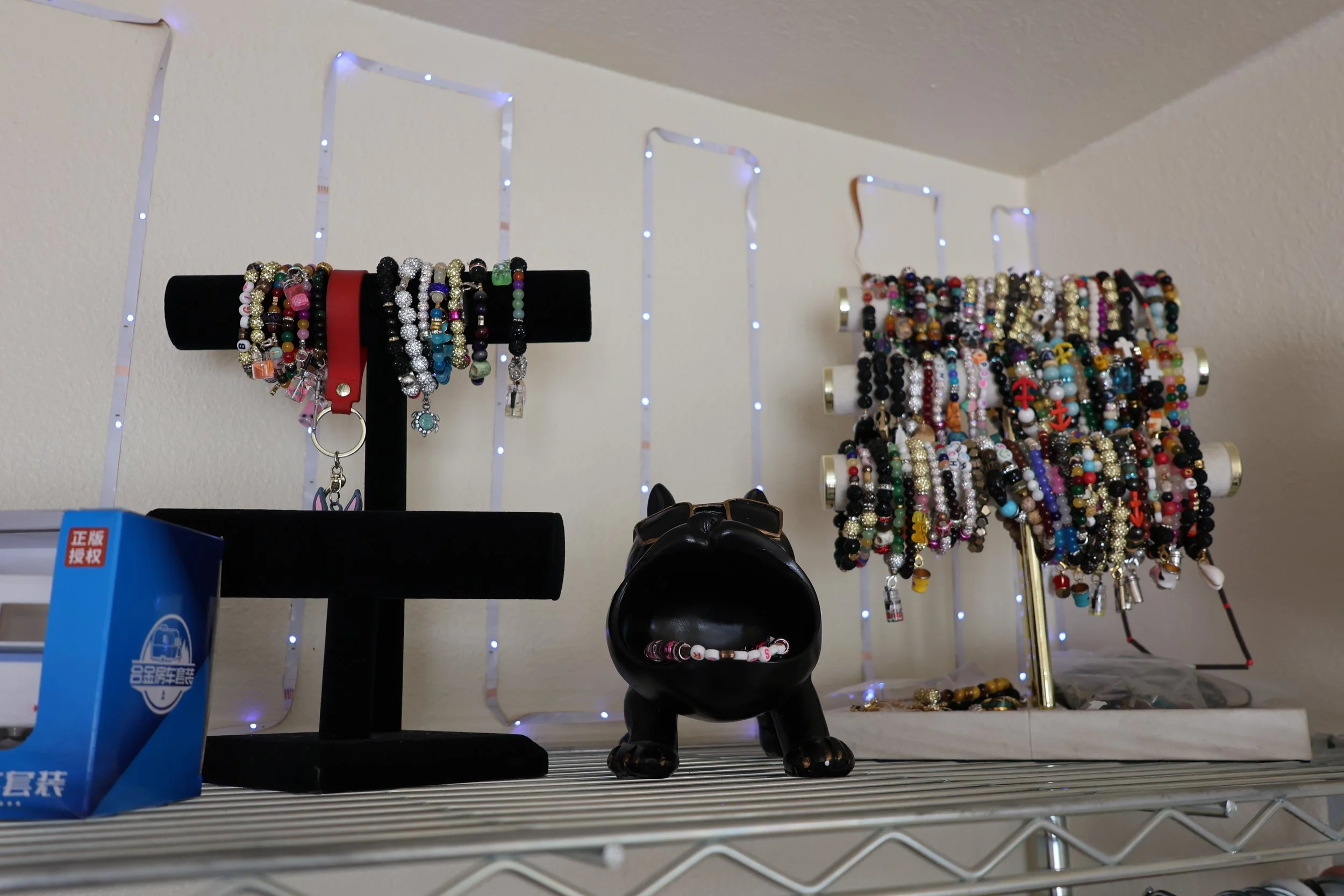
UTSH has given Kai the space and time to get back in touch with creativity, spending hours making bracelets. October 2026.
Through engaging on-site groups and gatherings, Kai has become close friends with fellow residents who are an uplifting force in his journey. “I’m never lonely. There’s always someone to talk to.” He also takes advantage of UTSH’s monthly art classes led by volunteer artists who demonstrate the healing powers of paint. Through this, Kai has found the time and space to reconnect with his artistic side. Years before, he had a passion for crafting handmade bracelets. Due to the instability at home, Kai lost his motivation and wasn’t sure if it would ever come back. Now, thanks to the comfort and safety of UTSH, he has returned to jewelry making, aiding in his mental health recovery.
Kai has also developed a fondness for mornings. “Before coming here, I wouldn’t get up until noon,” he said. Instead of sleeping in to avoid the chaos at home, he looks forward to getting up every day at UTSH. “In my household, we don’t say ‘Good morning,’ but here, everyone smiles and says, ‘Good morning, Kai.’ That’s just nice because I’m not used to that... After a month, I woke up happy and smiling for some reason.”
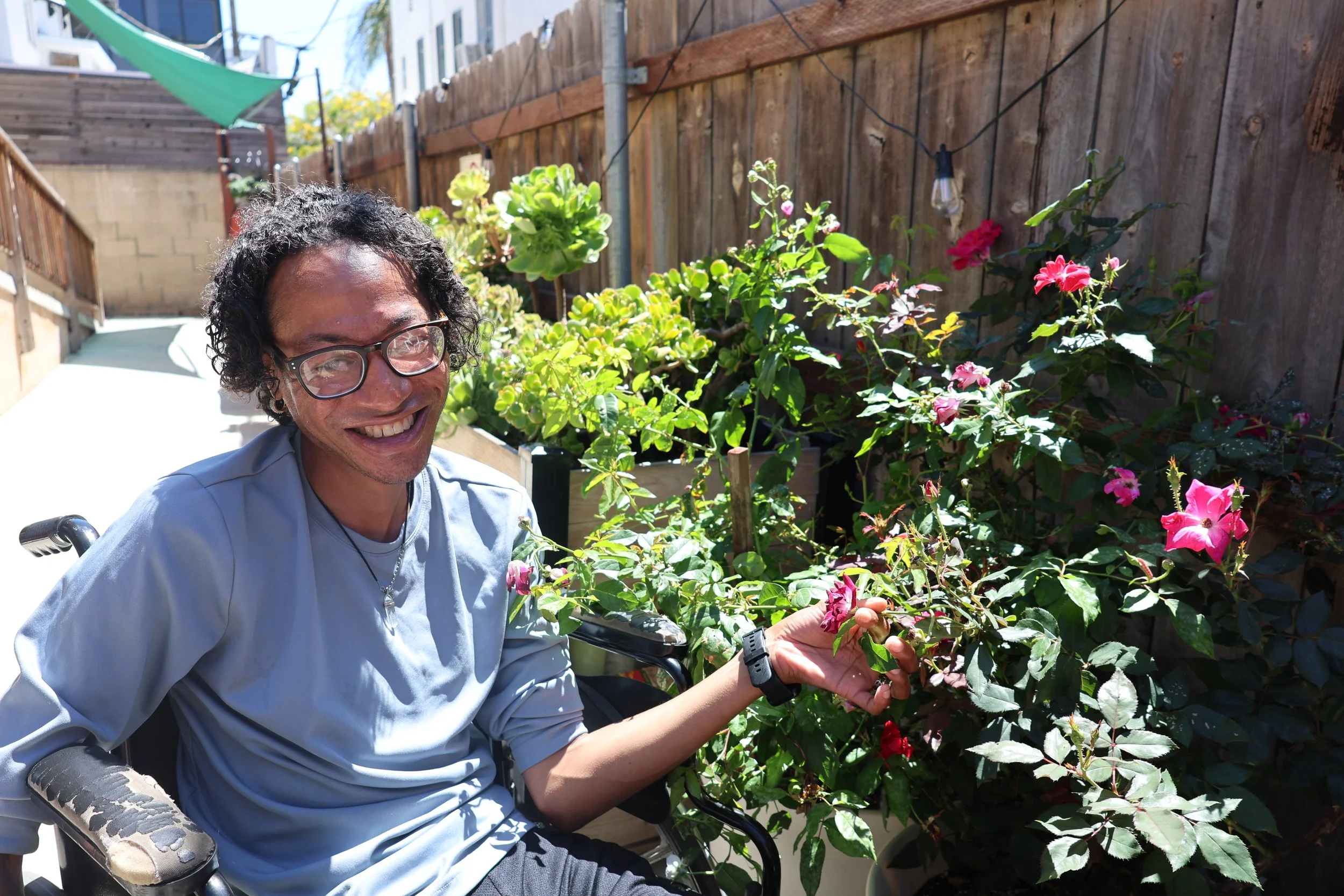
Residents at UTSH receive warm meals, access to resources, and a safe space to heal. August 2026.
When rebuilding a life, a compassionate and dedicated support system goes a long way. ECS Uptown Safe Haven’s skilled staff members assist each resident through their unique situations, connecting them to necessary resources and preparing them for independent living. In Kai’s future, he hopes to earn a paralegal license to further his professional development. He is also inspired by his community to walk on his own someday.
“It really is a safe haven,” Kai reflected. “[ECS] made a world of a difference. They really changed me for the better. I needed that.”
To support the life-changing services provided by Uptown Safe Haven, visit www.ecscalifornia.org/uptown-safe-haven-1