The Next Chapter in ECS History at the 2026 Board of Directors Retreat

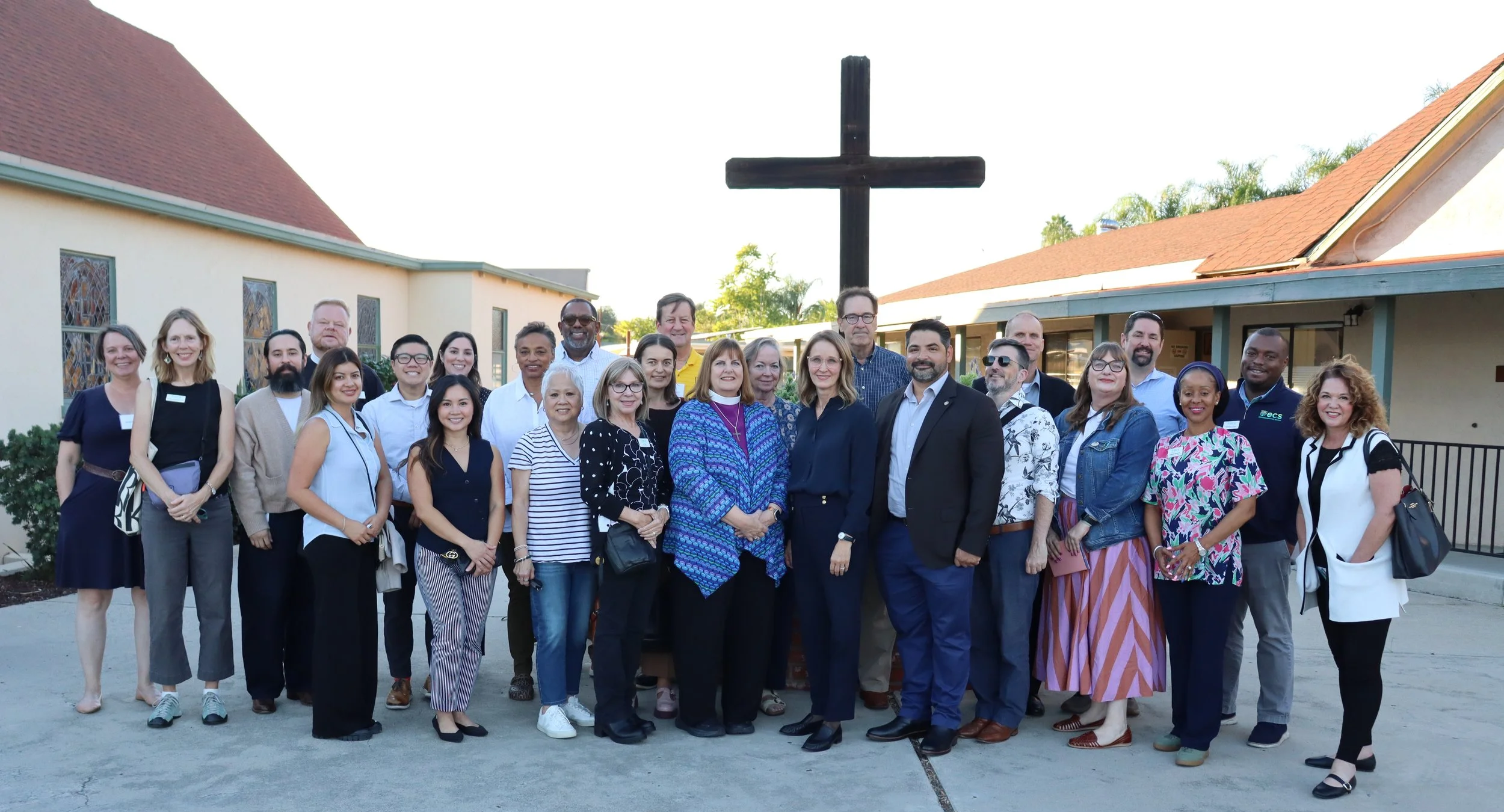
ECS Board of Directors, committee members, and staff gathered for an afternoon of exploration, exploration, and strategy. November 2026.

EL CAJON, CA — Excitement brewed outside of an unassuming property on a busy street in San Diego’s East County. For its annual Board of Directors Retreat, Episcopal Community Services (ECS) hosted a special tour at the site of its forthcoming Substance Use Disorder Residential Treatment Program. This served as a physical embodiment of ECS’ dedication to growth, evolution, and transforming communities.
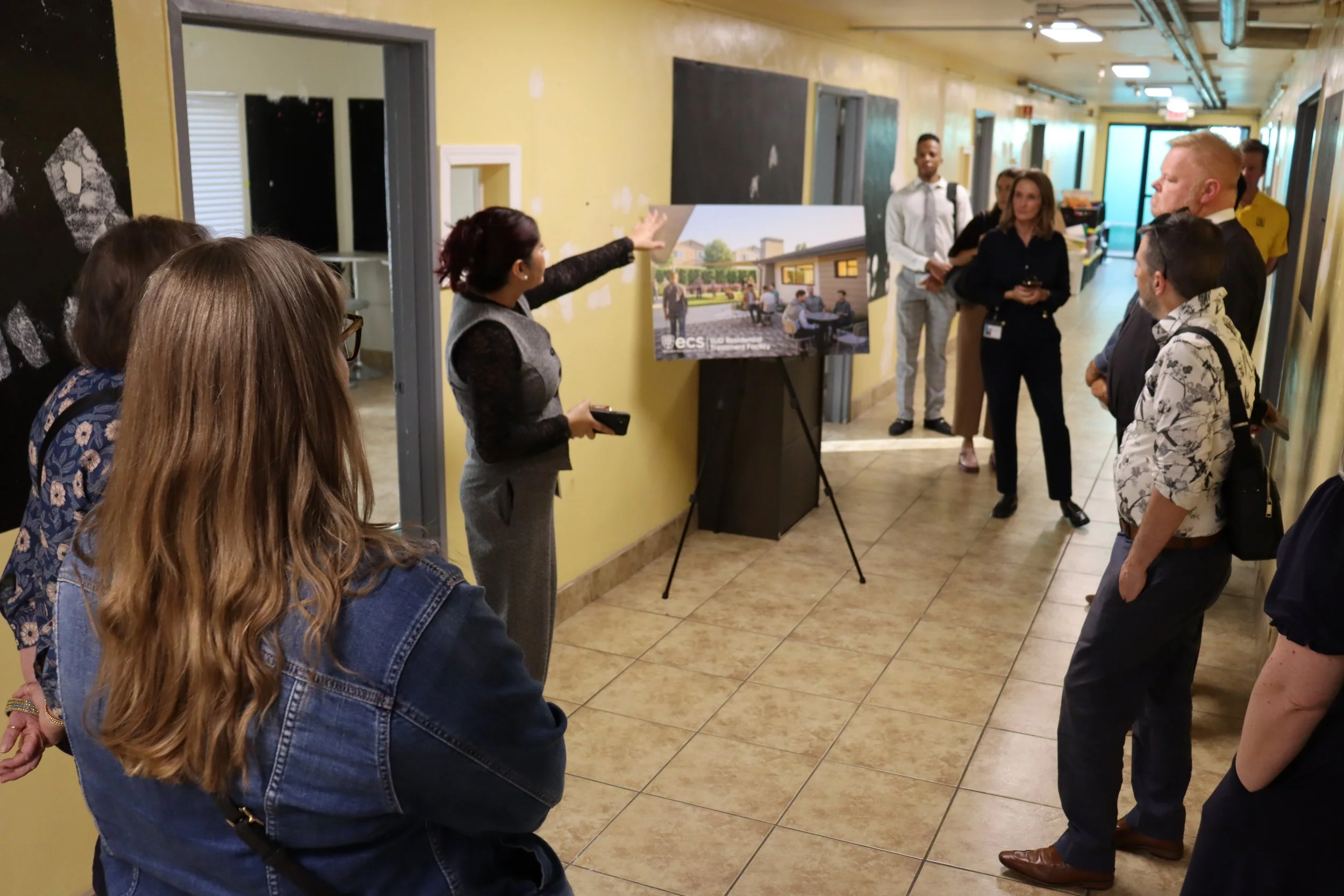
Wendy Garcia, Assoc. Dir. of Facilities & Administration, led attendees through a guided tour of the future SUD Residential Treatment Program. November 2026.

Board, committee, and staff members were broken up into two groups as they explored the expansive facility. Chief Programs Officer Embrie Tapia and Associate Director of Facilities & Administration Wendy Garcia served as tour guides and answered any questions regarding the site’s future. The groups visited 25 bedrooms and got a look at the large outside area. Immediately, ideas sparked and curiosities piqued.

The El Cajon property will house the future Substance Use Disorder (SUD) Residential Treatment Program. Slated for a fall 2027 opening, the facility will serve 49 adult men at a time and hundreds annually. Board Retreat attendees learned of the regional crises of co-occurring homelessness and addiction that this program will tackle head-on. Although the site is still in its “before” stages, it won’t be long until construction and remodeling begins.
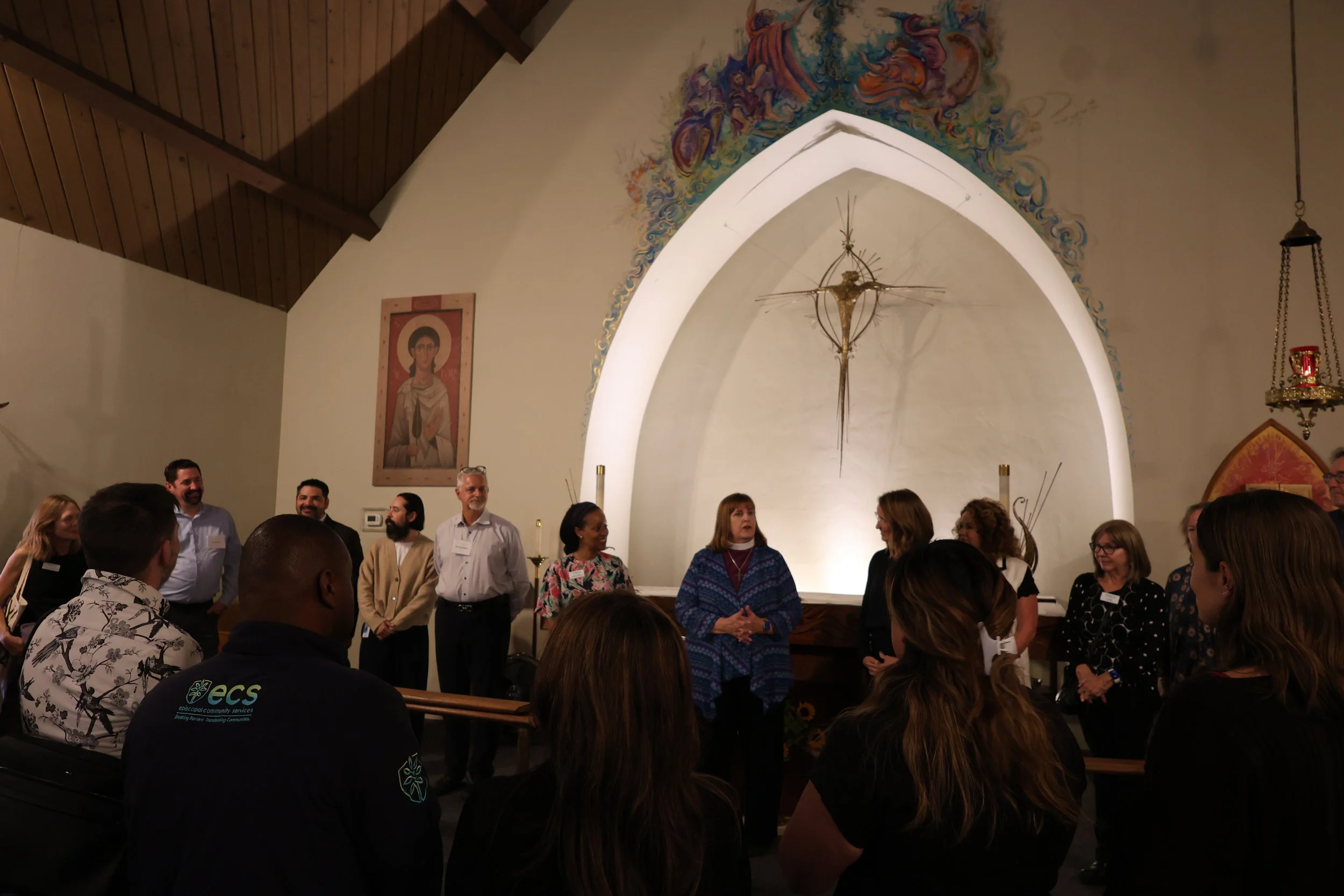
Board Chair Bishop Susan B. Snook invited all to join in a centering moment at St. Alban’s Episcopal Church. November 2026.

“The ECS Board Retreat provided a powerful reminder of what is possible when vision meets purpose,” said Board Member Peter Nguyen. “Touring the future SUD facility and seeing firsthand where this important work will take place was both inspiring and energizing. The scale of the project reflects the scale of the need in our community and, more importantly, ECS’s commitment to meeting that need. I am excited about the lives that will be transformed within this space and hopeful that this facility will position ECS for another century of meaningful impact, innovation, and service.”

After the tour, participants took a short trip to St. Alban’s Episcopal Church. Board Chair Bishop Susan B. Snook provided a brief insight into the church’s unique Arabic-English Eucharist celebrations. The group then met inside the Sanctuary for a centering moment to share hopes and gratitude for ECS’ next chapter in life-changing behavioral health services. Currently, ECS operates two transitional housing facilities for adults experiencing chronic homelessness and severe mental health issues. The SUD Residential Treatment Program will fill even more critical gaps in care that San Diegans are facing.
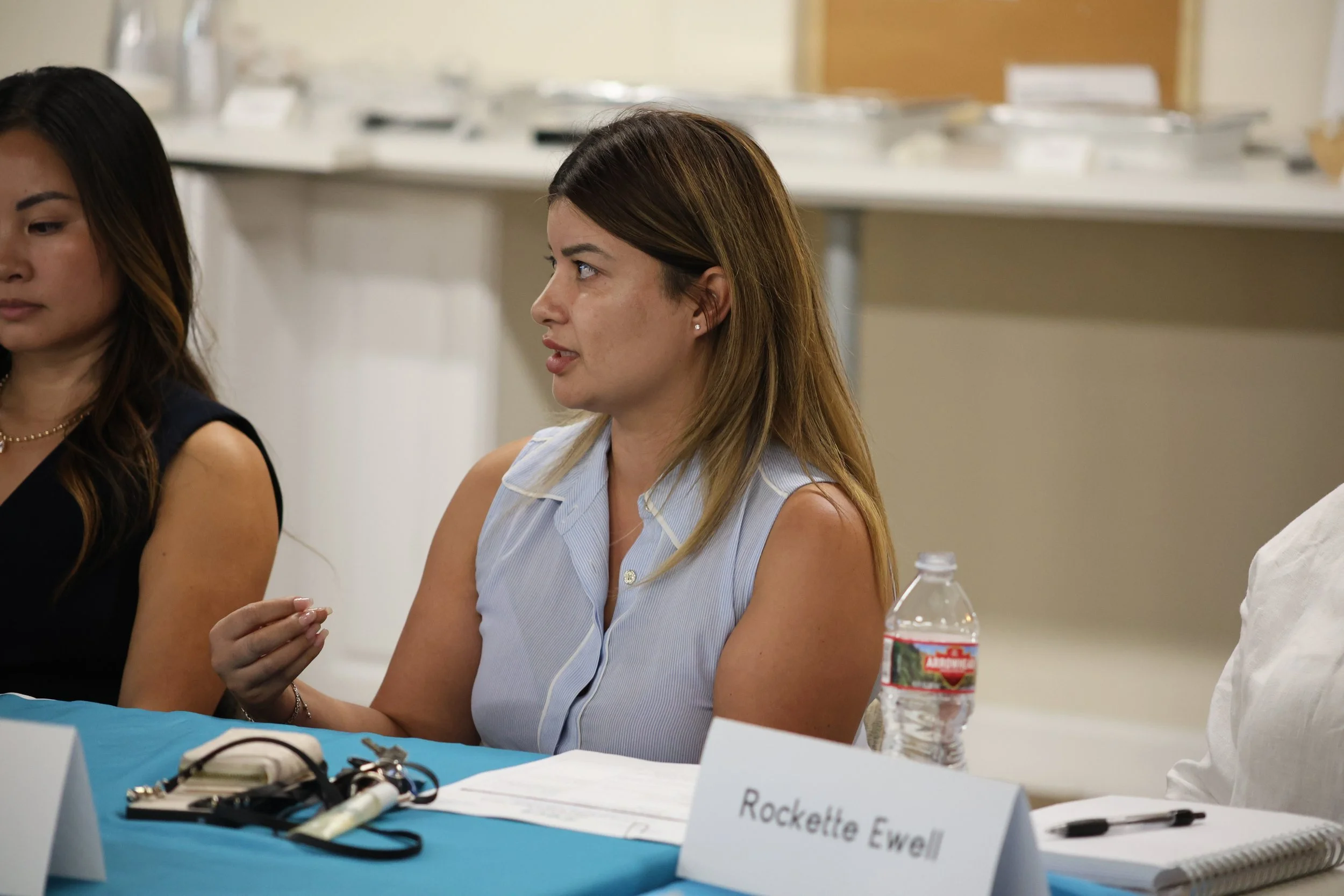
Advocacy Committee member Esmeralda Castillo joined in the strategic discussion. November 2026.

To close out the retreat, attendees convened for a strategic discussion about ECS’ upcoming milestones led by Board President Oscar Gomez. The conversation was an optimistic look into the future and a thoughtful reflection on the past — 100 years of service and 100 more to look forward to.
Learn more about ECS’ Board of Directors.

Diocesan Convention 2026: Shared Purpose Through Connection

POWAY, CA — On November 6 and 7, Episcopal Community Services (ECS) joined clergy, parishioners, ministry partners, and friends at the 53rd Annual Convention of the Episcopal Diocese of San Diego. In between all the fun and excitement, one thing shone through it all: connection.

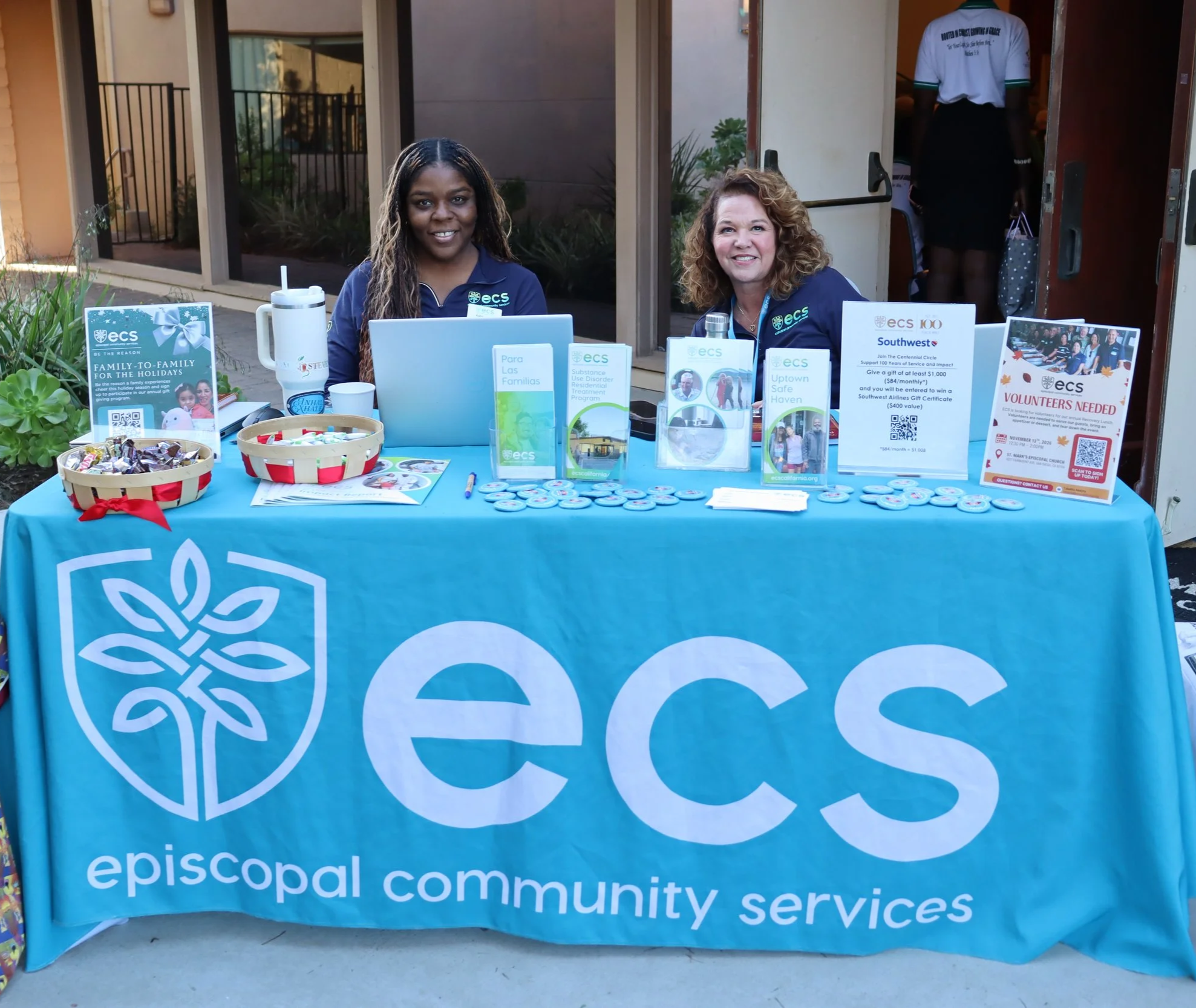
Development Specialist Katrina Neal and Assoc. Dir. of Development Tabatha Abeyta informed attendees about the various services available at ECS. November 2026.

Walking up the steps to St. Bartholomew’s Episcopal Church in Poway, attendees were greeted by the smiling faces of volunteers ready to assist. Then, ministry partners, such as Camp Stevens and Comunidad de Luz, spread the word of their impactful services while fostering an entertaining and welcoming environment. ECS staff also joined in, sharing opportunities to participate in its annual gift-giving program, Family-to-Family for the Holidays, and the yearly Recovery Lunch for clients. This provided a direct avenue of connection between parishioners and neighbors in need through sponsorship or volunteering.

About the organization’s participation in the ministry partner fair, ECS Associate Director of Development Tabatha Abeyta shared, “It’s reassuring to the community that there’s a program like ECS out there that supports the needs of the underserved. I think that gives people hope.”

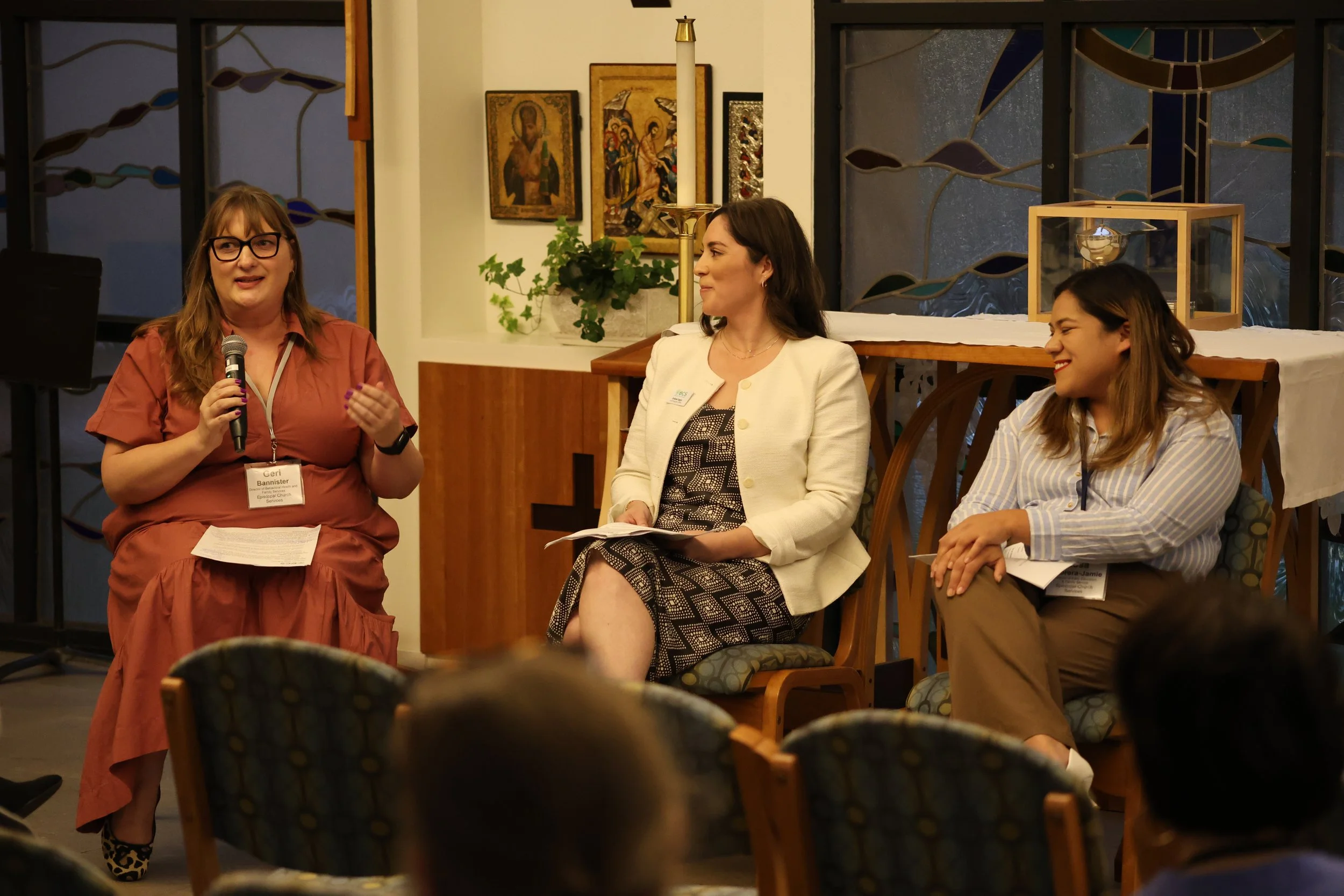
ECS’ panel welcomed audience questions to open the conversation about 100 years in service. Panelists from left to right: Geri Bannister, Embrie Tapia, Rosa Cabrera-Jaime. November 2026.

On Friday evening, ECS hosted a panel discussion, “Faith in Action: 100 Years of Addressing Critical Community Needs,” featuring Chief Program Officer Embrie Tapia, Director of Behavioral Health Services Geri Bannister, and Director of Early Education and Family Services Rosa Cabrera-Jaime. Moderator Adrienne Wilkerson, Vice President of Strategic Engagement, led the group through a meaningful conversation that reflected on ECS’ century of life-changing services.

“ECS is deeply grateful to be at the EDSD Convention,” said Tapia. “It means a great deal to our mission to be part of the heart posture of service.”

After the panel, The Rev. Dr. Richard Lee, ECS Board Member, expressed what moved him the most: “The expanse, the growth, and the passion of the work at ECS — just how committed ECS is to creating a better world by giving people the opportunities that they need and deserve.”

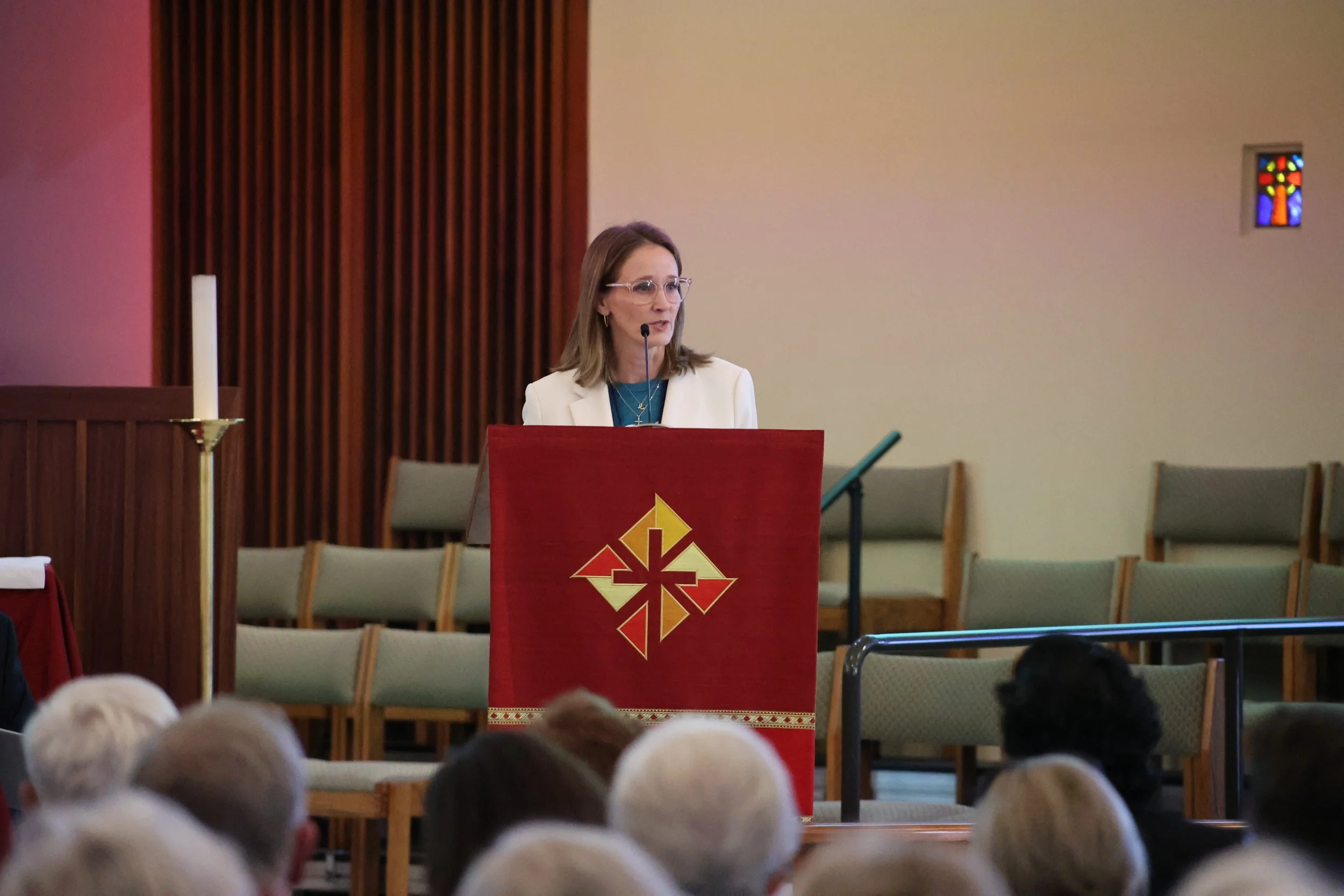
“Every person deserves a safe place to begin… and begin again.” - ECS CEO Elizabeth Wilberg in her address to the Diocesan Convention. November 2026.

On Saturday, conventiongoers began the day with a morning prayer and a moving address from The Rt. Rev. Dr. Susan B. Snook, ECS Board Chair. Following the Bishop’s address, multiple ministry partners presented their reports and other business. ECS Chief Executive Officer Elizabeth Wilberg took the podium and shared exciting updates that will bring the organization into its upcoming centennial year. These included the countywide expansion of Para Las Familias, the no-cost, bilingual behavioral health service for children, and the acquisition of a property that will soon house a 49-bed residential treatment program for men facing addiction and homelessness. During her speech, Wilberg declared, “Every person deserves a safe place to begin… and begin again.”

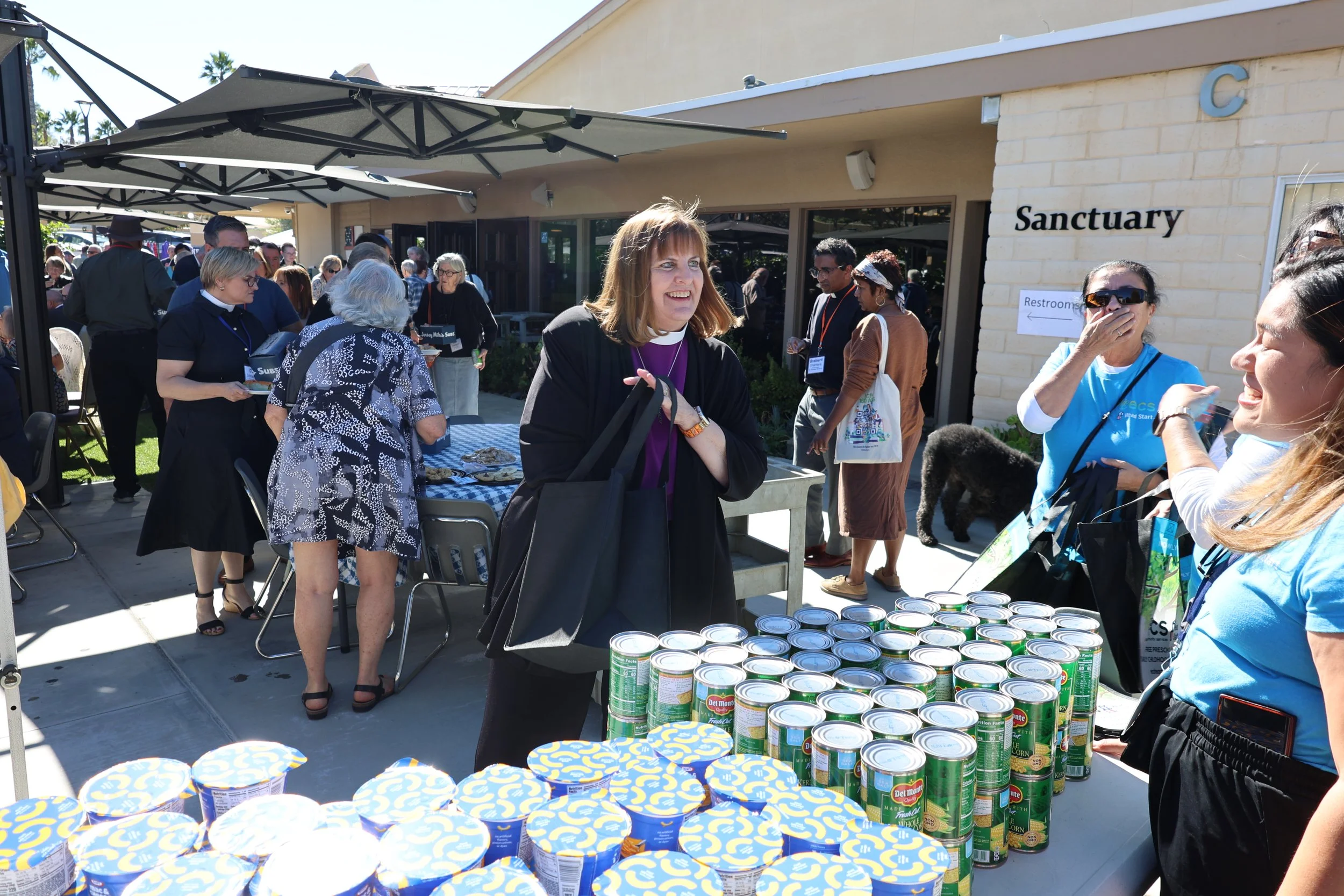
As the convention broke for lunch, attendees had two chances to change lives right on the campus of St. Bartholomew’s — packing dry-good meal bags for ECS families to enjoy for the holidays and assembling welcome backpacks for clients beginning their recovery journey with ECS.

The Rt. Rev. Dr. Susan B. Snook participated in ECS’ service project in support of local families. November 2026.

Connection can happen in many ways. Sometimes it’s in everyday conversations, or in the morning prayer that warms your heart. Other times, it’s in being present and in the actions you take to help another. “Episcopal Community Services' participation at Diocesan Convention reminded the Church that our faith calls us into the communities we serve,” said Chris Tumilty, Episcopal Diocese of San Diego Director of Communications. “By bringing their experience, expertise, and understanding of the challenges facing our region into the conversation, ECS helped us focus on how we can respond with compassion, courage, and meaningful action to the world around us. We are excited to join ECS in celebrating 100 years of service next year, and we are grateful for their leadership and excited about the ministry we will continue to share.”

To learn more about ECS’ 100 years, please visit www.ecscalifornia.org/ecs100

Looking Forward to a New Day

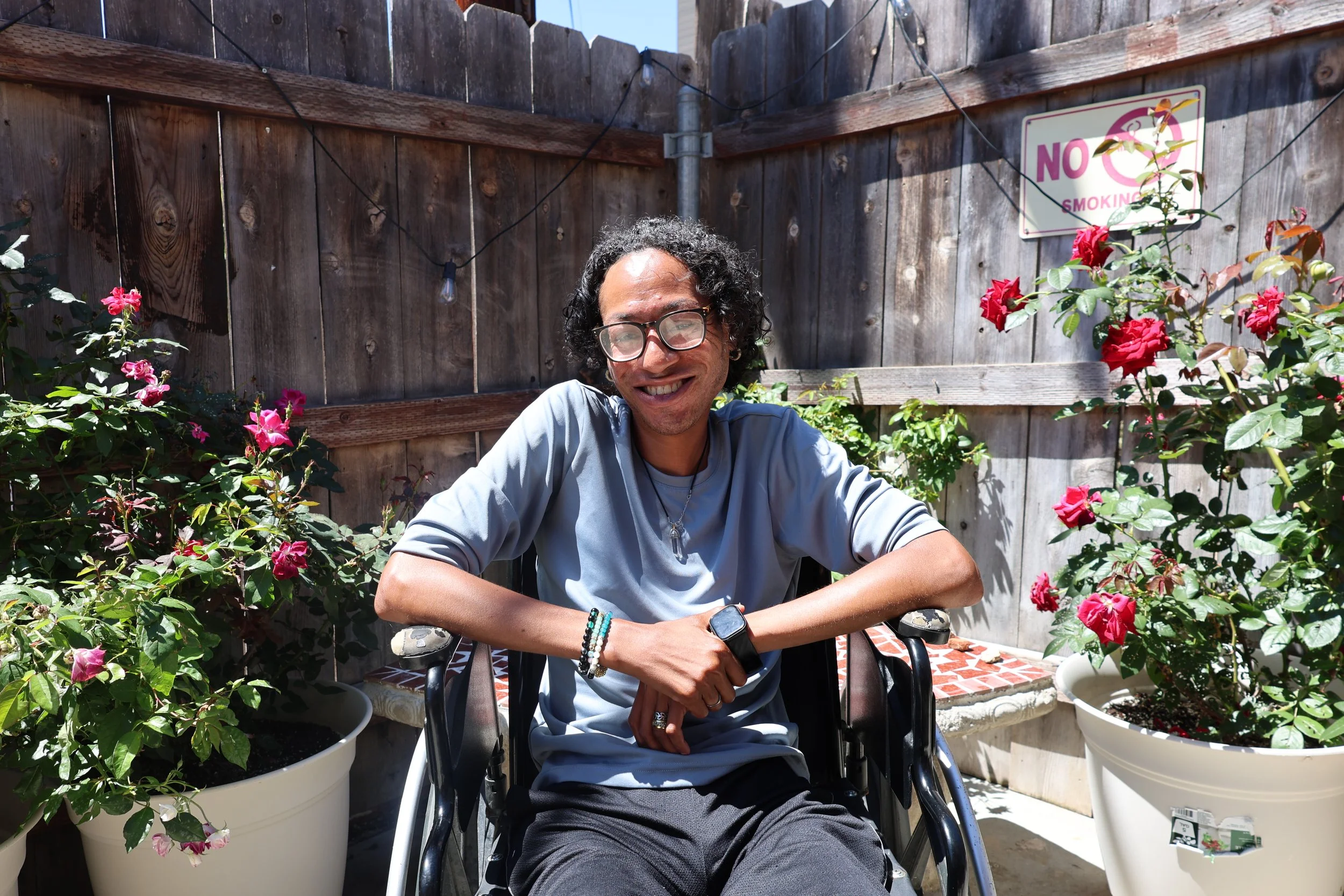
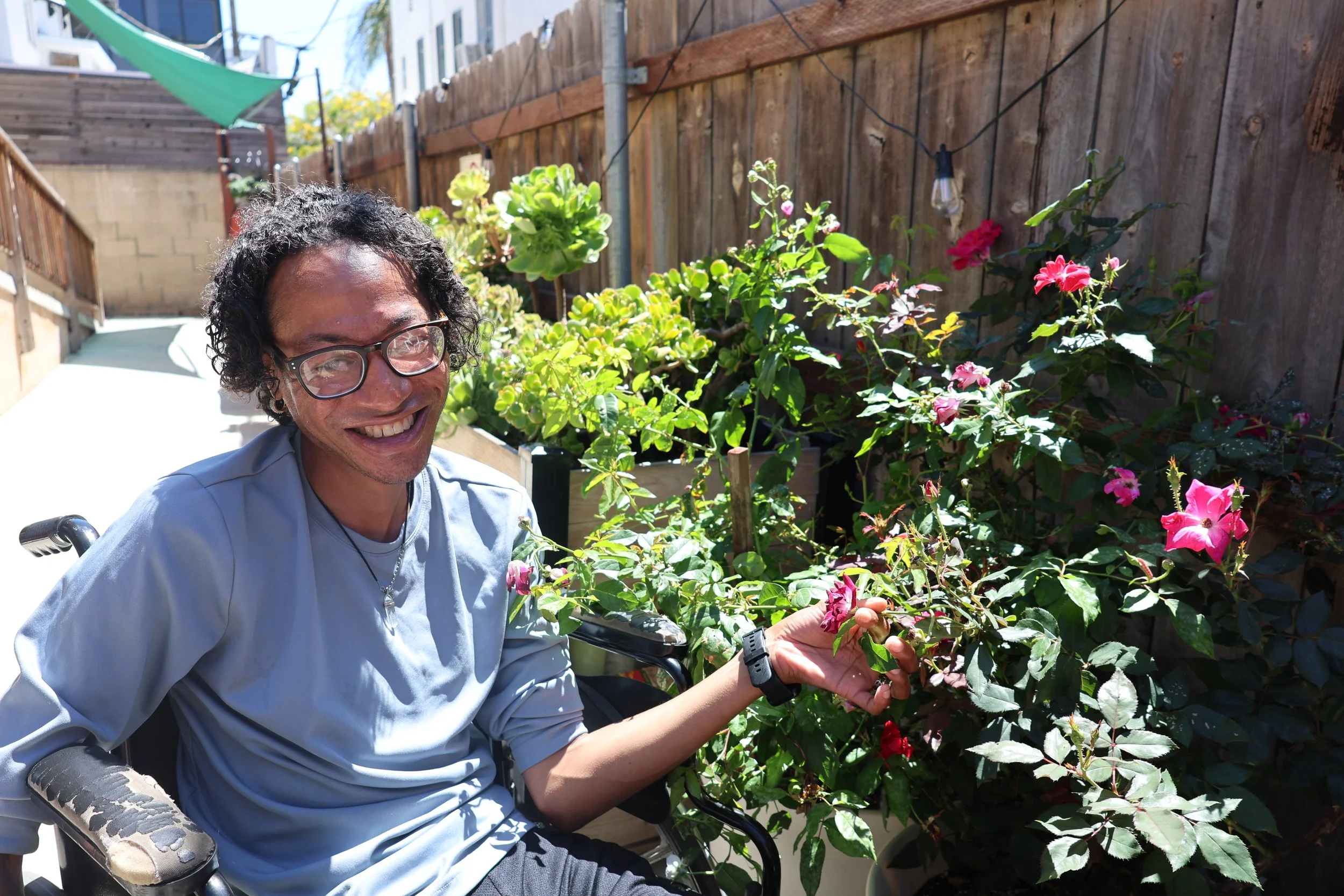
For the last five years, Kai has been in and out of a wheelchair. Constant hospital visits and multiple surgeries meant he needed caregivers throughout his recovery. But while staying with family, Kai found himself in the middle of a worsening home life – arguments, drinking, and even physical abuse. This left him in a state of depression that reflected internally and externally.

Kai has a newfound sense of independence and joy thanks to the compassionate care at Uptown Safe Haven. August 2026.

"I stopped shaving. I didn't do my hair. I barely showered... I was a mess, basically," he shared. With no home-cooked meals, Kai lost his appetite and stopped eating, which resulted in hospital stays for malnutrition. Unable to work and dreading his day-to-day, he turned to alcohol as a refuge. Then, when he least expected it, he was referred to ECS Uptown Safe Haven (UTSH).

UTSH provides residents with their own rooms in a safe and supportive communal housing facility. Initially, Kai was hesitant. "I didn’t know how they would react to me," he confessed. As a wheelchair user, he is all too aware of the looks of judgment he might receive from nondisabled people. To his surprise, UTSH staff and residents were warm and accepting.

"The first week here was just great,” Kai described. “They don’t judge, they're very welcoming and actually smiling.” Six months later, Kai has seen a large improvement in his mood and his drive. He’s clean-shaven, eating all his meals, and excited to build up his physical strength. “[My nurses] look at me now and say, ‘Oh my goodness, I don’t even recognize you anymore.’” 

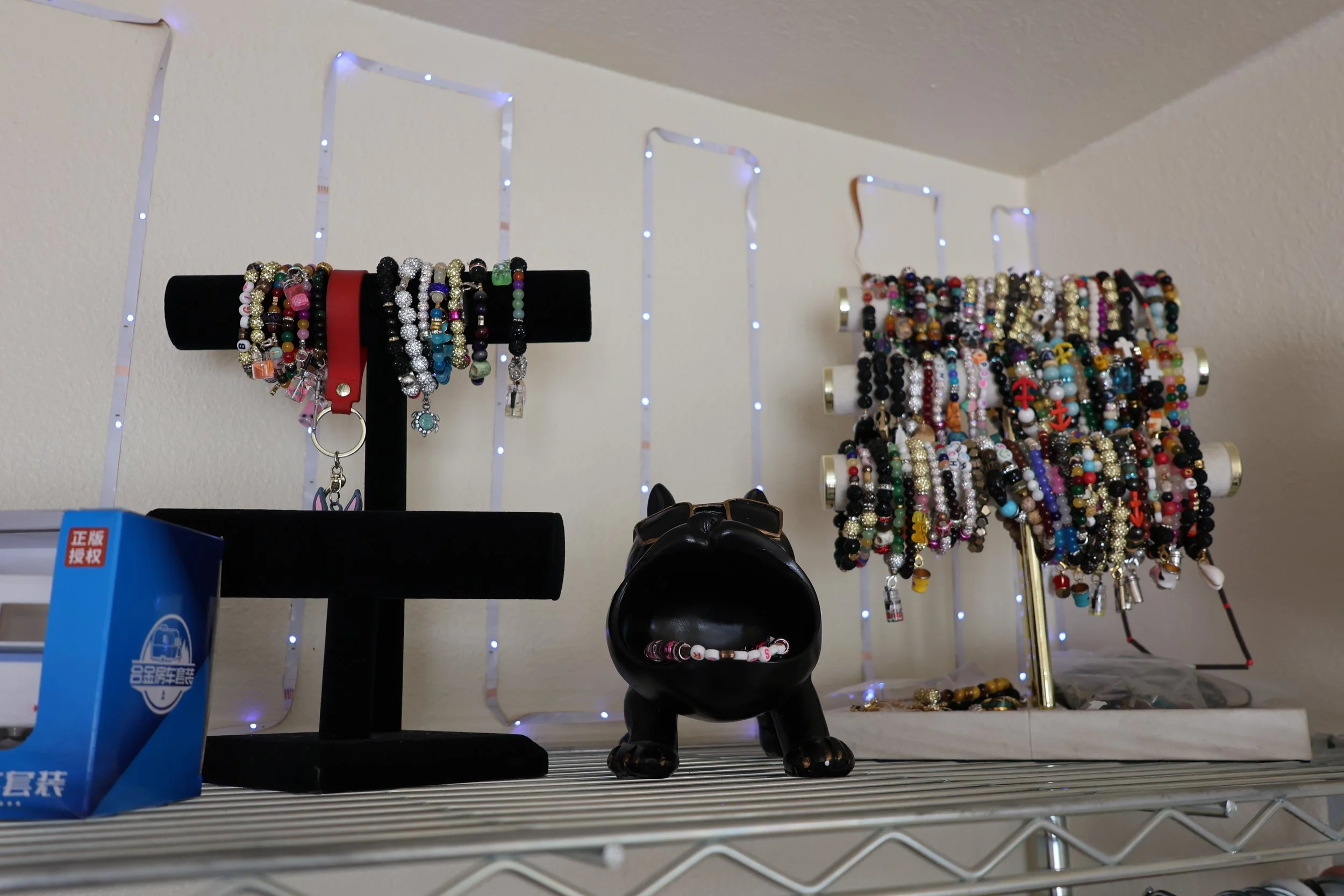
UTSH has given Kai the space and time to get back in touch with creativity, spending hours making bracelets. October 2026.

Through engaging on-site groups and gatherings, Kai has become close friends with fellow residents who are an uplifting force in his journey. “I’m never lonely. There’s always someone to talk to.” He also takes advantage of UTSH’s monthly art classes led by volunteer artists who demonstrate the healing powers of paint. Through this, Kai has found the time and space to reconnect with his artistic side. Years before, he had a passion for crafting handmade bracelets. Due to the instability at home, Kai lost his motivation and wasn’t sure if it would ever come back. Now, thanks to the comfort and safety of UTSH, he has returned to jewelry making, aiding in his mental health recovery.

Kai has also developed a fondness for mornings. “Before coming here, I wouldn’t get up until noon,” he said. Instead of sleeping in to avoid the chaos at home, he looks forward to getting up every day at UTSH. “In my household, we don’t say ‘Good morning,’ but here, everyone smiles and says, ‘Good morning, Kai.’ That’s just nice because I’m not used to that... After a month, I woke up happy and smiling for some reason.”

Residents at UTSH receive warm meals, access to resources, and a safe space to heal. August 2026.

When rebuilding a life, a compassionate and dedicated support system goes a long way. ECS Uptown Safe Haven’s skilled staff members assist each resident through their unique situations, connecting them to necessary resources and preparing them for independent living. In Kai’s future, he hopes to earn a paralegal license to further his professional development. He is also inspired by his community to walk on his own someday.

“It really is a safe haven,” Kai reflected. “[ECS] made a world of a difference. They really changed me for the better. I needed that.”

To support the life-changing services provided by Uptown Safe Haven, visit www.ecscalifornia.org/uptown-safe-haven-1

Assemblymember David Alvarez Visits ECS Para Las Familias

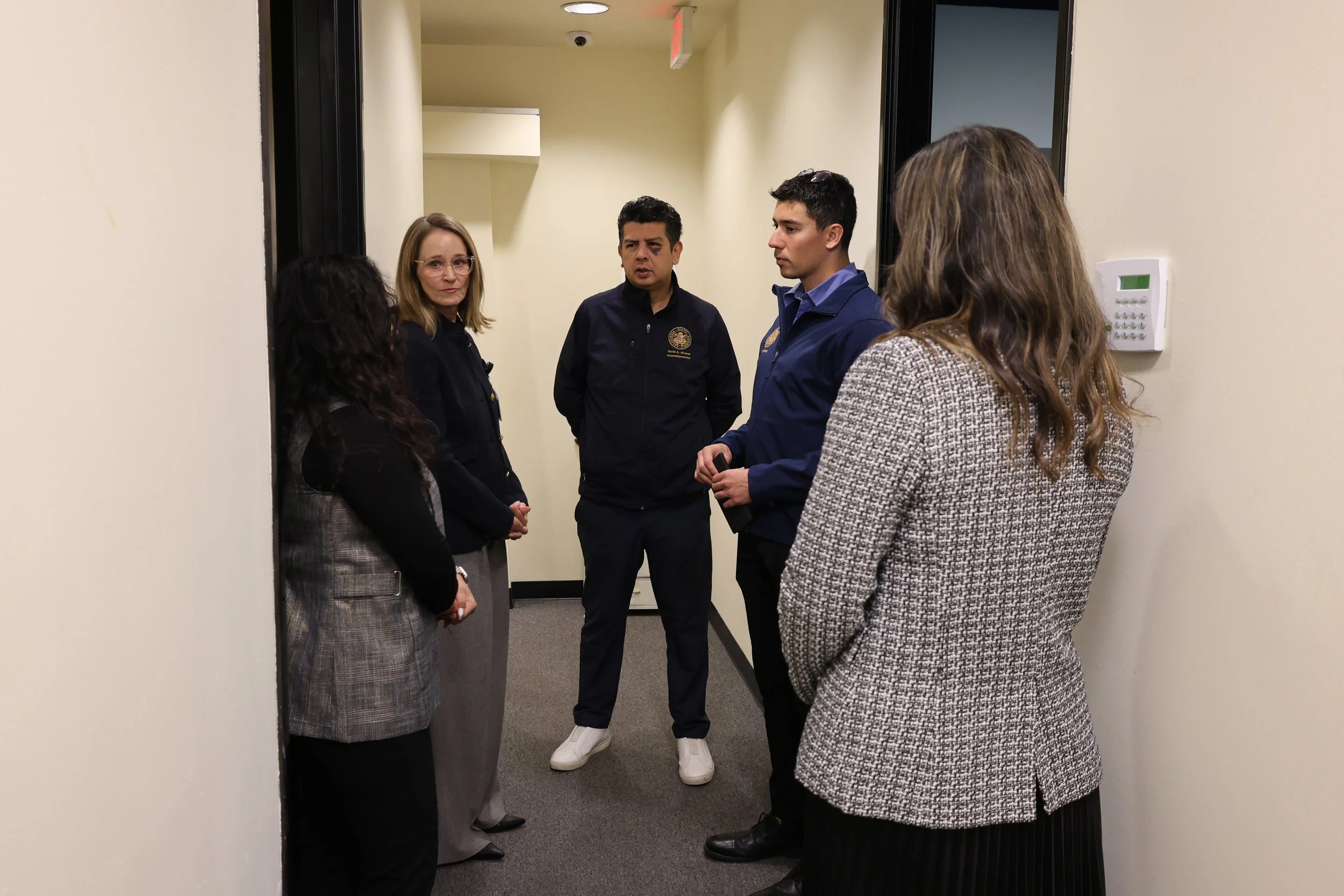
SAN DIEGO, CA – Last month, ECS CEO Elizabeth Wilberg, CPO Embrie Tapia, and Director of Behavioral Health Geri Bannister joined Para Las Familias (PLF) staff in welcoming Assemblymember David Alvarez to tour the behavioral health facility.

PLF is enhancing service through countywide expansion and integration of Parent-Child Integration Therapy. October 2026.

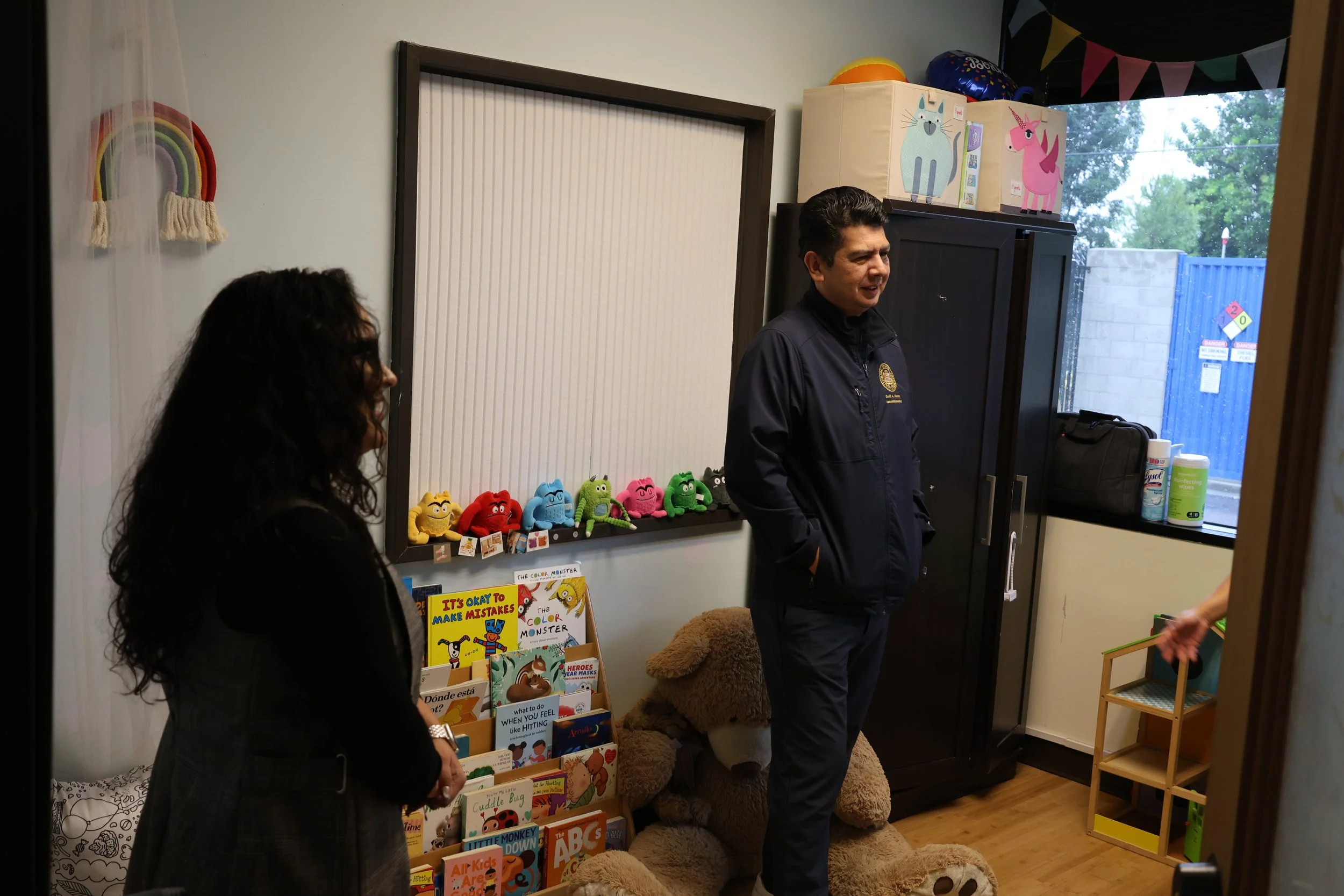
Alvarez and field representative Ernesto Castañeda explored the site while learning about ECS’ various programs in early childhood education and health and human services. Para Las Familias in particular is a trauma-informed, relationship-based mental health service for children and families. Assemblymember Alvarez, a vocal advocate for bilingualism, learned about PLF’s bilingual and bicultural aspect that supports San Diego families who speak both English and Spanish.

While exploring each room’s colorful decorations and counseling tools, Giselle, one of PLF’s Child & Family Therapists, shared about the program’s impact. With Para Las Familias, families get access to no-cost intervention when they need it most. Now more than ever, the demand is growing.

Assemblymember Alvarez learned the impact of PLF’s critical services on local families. October 2026.

“The challenges that our families are facing these days are really complex,” said Assemblymember Alvarez. “To be able to understand what is happening in the field with professional experts… it’s really important to see how government can respond to those needs that exist in the community.”

Alvarez’s visit comes at a pivotal time in ECS history. Not only is the organization approaching its 100th year in service, but Para Las Familias recently announced its countywide expansion. Previously limited to San Diego’s South Bay, the behavioral health program will now reach families in Central, North, and East counties.

About the visit, CEO Wilberg said, “When elected officials visit programs like Para Las Familias, they can see the impact of these services beyond the statistics. These conversations matter because they help build awareness and keep the needs of children and families at the center of public policy. At ECS, we believe lasting progress happens when nonprofit organizations, community leaders, and policymakers work together on behalf of the people we serve.”

To learn more about Para Las Familias, visit www.ecscalifornia.org/para-las-familias

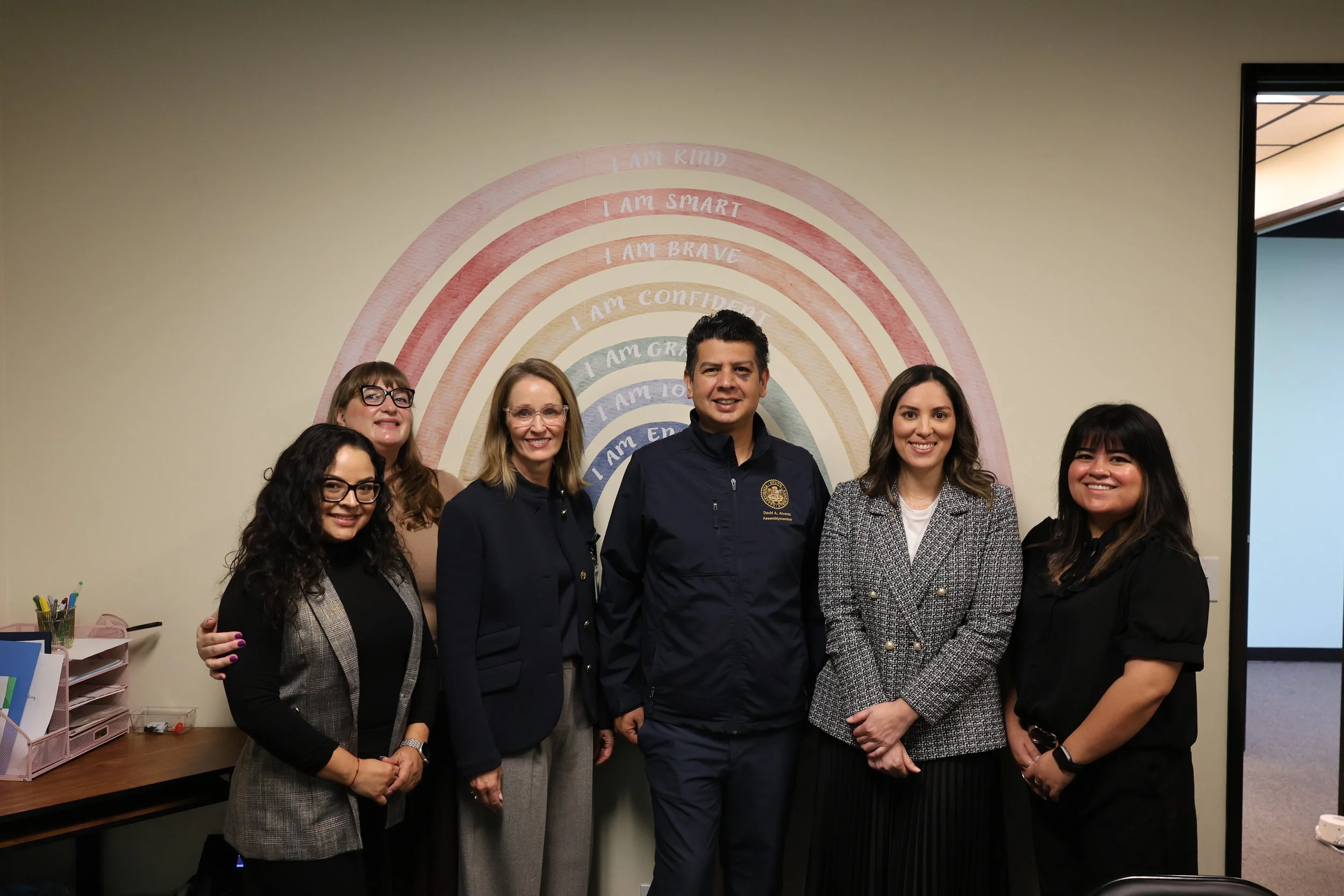
From left to right: Giselle Moreno, Child & Family Therapist; Geri Bannister, Director of Behavioral Health Services; Elizabeth Wilberg, Chief Executive Officer; Assemblymember David Alvarez; Embrie Tapia, Chief Programs Officer; Jennifer Perez, PLF Office Manager. October 2026.