
voices of recovery

A New Beginning

CERRC helped Taylor achieve a fresh start.

Taylor’s journey to sobriety was not a linear journey. His path came with ups and downs, challenges that caused him to take steps backwards after months of fighting to get ahead. He found himself caught in a cycle of homelessness and addiction that continued for a decade. Sometimes it was the pressure of working as many as four jobs at once, sometimes it was codependency, and other times it was the well-meaning attempt to go back to the streets to try and help others that ended up pulling Taylor back into that cycle. 

Taylor found comfort and strength in his faith during his recovery.

Taylor was homeless for a year and a half before finding help at ECS. He hit rock bottom and decided that enough was enough. “My last three weeks of using were very depressive,” he said. “I was addicted to heroin and I was using on an everyday level for so long: for probably six months to a year to where I was dependent on it.” In that time, Taylor turned to God. He relinquished the reins, trusting that he would be guided on the right path. Soon enough, Taylor found himself at a residential men’s treatment facility and upon graduation, found ECS Central East Regional Recovery Center (CERRC) as his next step. 

At CERRC, Taylor gained valuable perspective, relapse prevention skills, and supportive community. CERRC placed him in a sober living community and surrounded him with a group of counselors and peers that helped him remain focused and steady on his journey to recovery. He felt that the staff were intentional and compassionate; they took the time to truly know him and create a family feeling within his group. “That group that was established and that kind of camaraderie really was what helped get me through,” he said. “While we were doing painting or whatever activity it was, we'd be talking about discovery and getting to know each other, you know, celebrating each other's successes.” 

The supportive community of CERRC and the sober living uplifted Taylor on his journey.

After graduating from the program at CERRC, Taylor remained in his sober living community. “One of the things I've lost in my past was, I get so focused on my life and my direction that I would just lose connection with everyone else,” he shared. Now he has people to hold him accountable. He enjoys the communal support at the sober living and continues to attend meetings regularly. 

Taylor also found community beyond CERRC. Work in particular brought a special connection. A devout employee, Taylor would be the first person on site every day. The superintendent of the site would also arrive early. During those early mornings, they began to share their life stories with each other. As fate would have it, the superintendent was also sober and saw qualities in Taylor that reminded him of his own recovery journey. The superintendent, recognizing Taylor’s effort at work, recommended him for a position at the property management company of the building they were constructing. 

The interview went well and Taylor was hired, but a few weeks later the company contacted him after examining his criminal record. “They were like, ‘we just wanted to let you know that we never hire anyone who has a felony on their record, but we're going to give you this opportunity, please don't mess it up,’” he said. They gave him a three-month probationary period which he breezed through. “I'm now a supervisor; I'm making more money than I've ever made in my whole life.”  

Taylor now owns a car, his credit score is improving, and he has inner peace. “If you would have asked me a year ago if I would be where I am today, I would have said ‘no.’ I thought I was going a completely different direction,” he said. He shared that he used to be scared to have control of his life, but now he feels he has the guidance he needs from CERRC, his peers, and – above all – God. 

Taylor’s advice for new CERRC clients, or just other people recovering from substance use, is “to give themselves a chance, be open minded, and take that first step.” Taylor hopes they can trust that God has a plan for them. 

ECS’ outpatient treatment program at CERRC helps people like Taylor recover from substance use and begin again.

CERRC was a powerful part of Taylor’s journey, and he shared that it was the people there that made the difference for him. “What I felt with everyone here [at CERRC] was so beautiful,” he said. “It just tells how much everyone cares.” No matter how busy the counselors got, they always had time for him and cared for him in a real way. “I felt like my life was worth it. And I know everybody else did, too.” In a letter to ECS, Taylor wrote, “Through hard work, both on my inner self and on the job, I have been blessed with an opportunity to begin a new life.” 

ECS CERRC helps people like Taylor reclaim their lives and start over, but that help is not possible without generous support. Your donation can provide toiletry kits, food, bus passes, and more for clients, supporting their needs as they take the first steps of recovery. To give your support to CERRC and other ECS programs visit www.ecscalifornia.org/donate.  
How ACCORD and C-HRT Safe Haven Helped Princeton Thrive

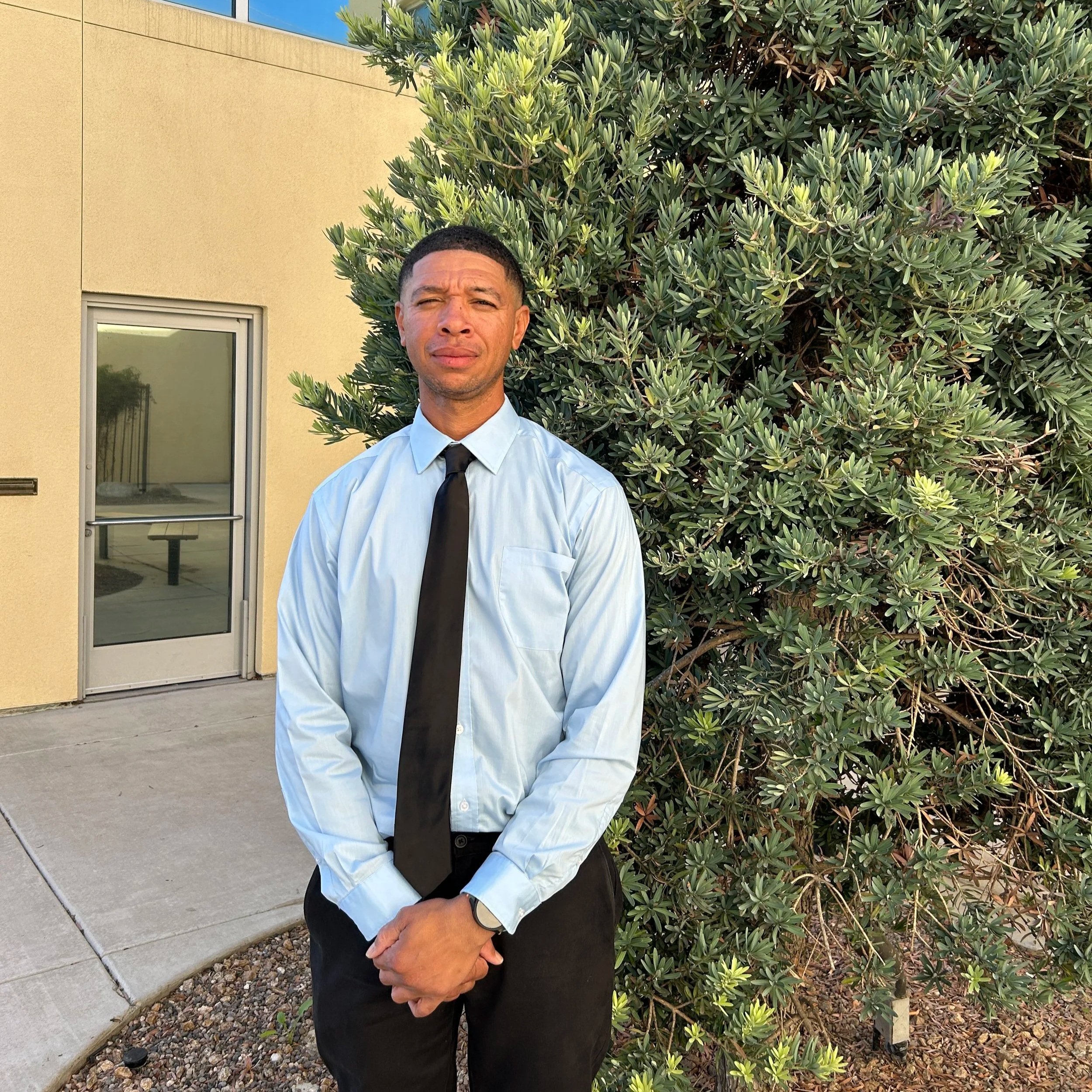
Princeton found his footing with support from ACCORD and C-HRT’s services. October 2025.

When Princeton and his son’s mother drove down to San Diego from LA one day in 2017, he had no idea how his life was about to change. 

The birth of Princeton’s son was unplanned; Princeton had known his son’s mother for only a few months before she became pregnant. He recalled feeling excited to become a father, but also heavy due to the nature of the situation. 

In San Diego, they got into an argument over a parenting disagreement. Princeton felt tired of having no control over his own life, his role as a father, or the family life he had envisioned, so he decided to stay in San Diego on his own. 

Due to his sudden change in plans, Princeton had nowhere to go and ended up living on the street, but it wasn’t long before he found direction. While in the lunch line at Father Joe’s, recruiters offered him the chance to go to school with financial aid. “I was like, ‘alright, I'm homeless on the streets. The only way I'm gonna get off these streets, I'm gonna have to start and do something positive,’” he said. 

He began his program and got a job while going to school, waking up every morning at 5 a.m. to pack up his tent and prepare for the day ahead. 

Some things were looking up for Princeton, but the reality of his situation did not escape him. Still homeless and dealing with his choice to leave his family, Princeton turned to alcohol to cope with the mental weight of his decision. 

After some time, Princeton moved into an apartment and became sober for several years. When his mother passed away in 2021, Princeton remained steady and did not turn back to alcohol even in his grief. But two years later in 2023, he got a phone call that his brother had passed, as well. “So, then I got back to drinking and I couldn't stop. I got careless.”   

Substance use disorder (SUD) overtook Princeton’s life and before long he got a DUI. His aunt, who helped raise him, passed away and his grief led him to drink at the funeral. “I got into it with my sister out there, and so she wouldn't let me sleep at her house, so my drunk self tried to drive all the way back from LA to San Diego,” he said. “I hit two cars.” 

Princeton’s sister bailed him out of jail, and he was ordered to complete a six-month program at ECS ACCORD (Alcohol Counseling Community Outreach Drop-In) DUI program. 

ACCORD was a positive force in Princeton’s life. “The staff there were very helpful, my instructor was very considerate of me and my peers there,” he said. “That's why I'm here right now, I'm recovered, I'm doing amazing. I know better.” 

Princeton’s recovery journey had begun, but he had landed back in a state of homelessness. In 2024, Princeton was living in a large shelter. He shared that it was difficult for him to continue recovery in that environment. “A typical shelter, you're not going to get no peace there,” he said. “You can be doing everything positive... there's just too many negative distractions.”   

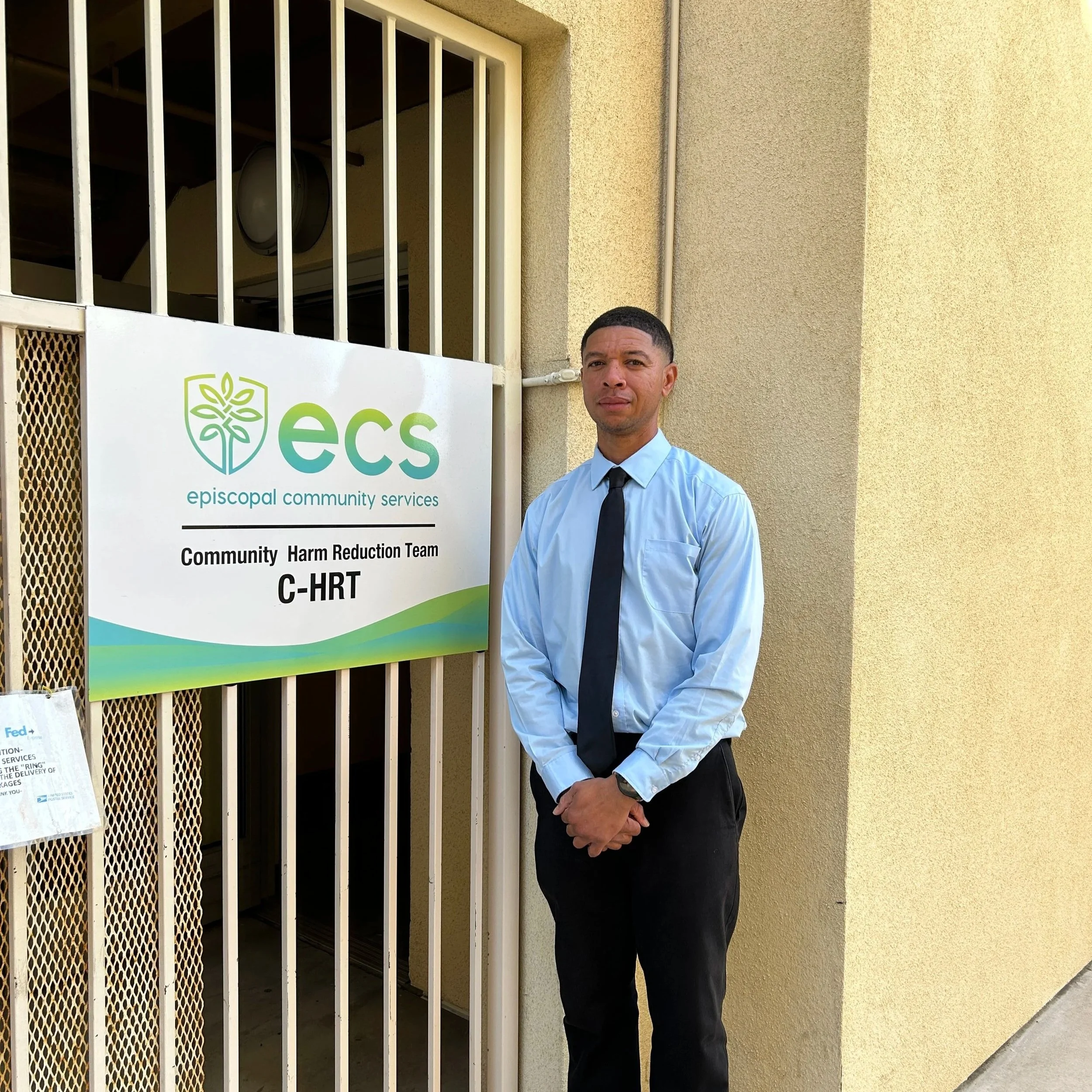
The security of C-HRT allows residents to focus on bettering their lives. October 2025.

Fortunately, Family Health Centers referred him to ECS C-HRT Safe Haven. Princeton was grateful to have “something more grounded; somewhere where I can thrive and work on myself.” 

Funny enough, Princeton did not know that ACCORD and C-HRT were both ECS programs, but both just so happened to be there to give him support when he needed it. “That's pretty divine,” he commented.  

The safety and stability of C-HRT was a “golden opportunity” for Princeton. “You got a free chance to really get your life together,” he said. 

While it wasn’t easy and he stumbled from time to time in the beginning, Princeton worked hard to better himself and now he is in recovery, working, and feeling great. 

Princeton shared how the comfort of C-HRT and the variety of amenities, provide much needed support for residents. Companionship is also a key part of the C-HRT support system. “I had a number of heartfelt conversations, motivated conversations from some of the most broken people here uplifting me at times and just gave me inspiration and motivation to go above my means or above the clouds,” Princeton shared. “There's a good spirit here. A great spirit here.” 

Princeton’s experience has inspired him to give back to others. Whether it's purchasing and setting up a tent for a homeless man he sees every day, so he has shelter from the rain or buying a bag of ice for a woman in need, he aims to give back as much as he can. 

He also takes pride in doing his part to care for the C-HRT facility, taking out the trash, vacuuming, and keeping his home clean. “You got to take care of your home,” he said. “This is our place. I'm like, ‘give back the blessing.’ The blessing gave you a bed and a blanket.” 

C-HRT provides more than just physical housing. It gives people like Princeton a place to work on themselves and create new beginnings. 

“I have self-obedience... [I] stay calm, stay peaceful, especially underneath pressure. Especially when [the world is] trying to test you, just stay kind,” Princeton shared. “The world is what you make it here.”  

ECS offers a variety of programs, all with the goal of breaking barriers and transforming communities. Learn more about the services of ACCORD and C-HRT Safe Haven that uplift our neighbors in need. 

Celebrating Recovery

SAN DIEGO – ECS' clients are the heart of everything ECS does. Every staff member’s focus, each service offered, and every penny raised goes back to breaking barriers and uplifting neighbors in need. Last Thursday, ECS celebrated its clients with its annual Thanksgiving Recovery Lunch. 

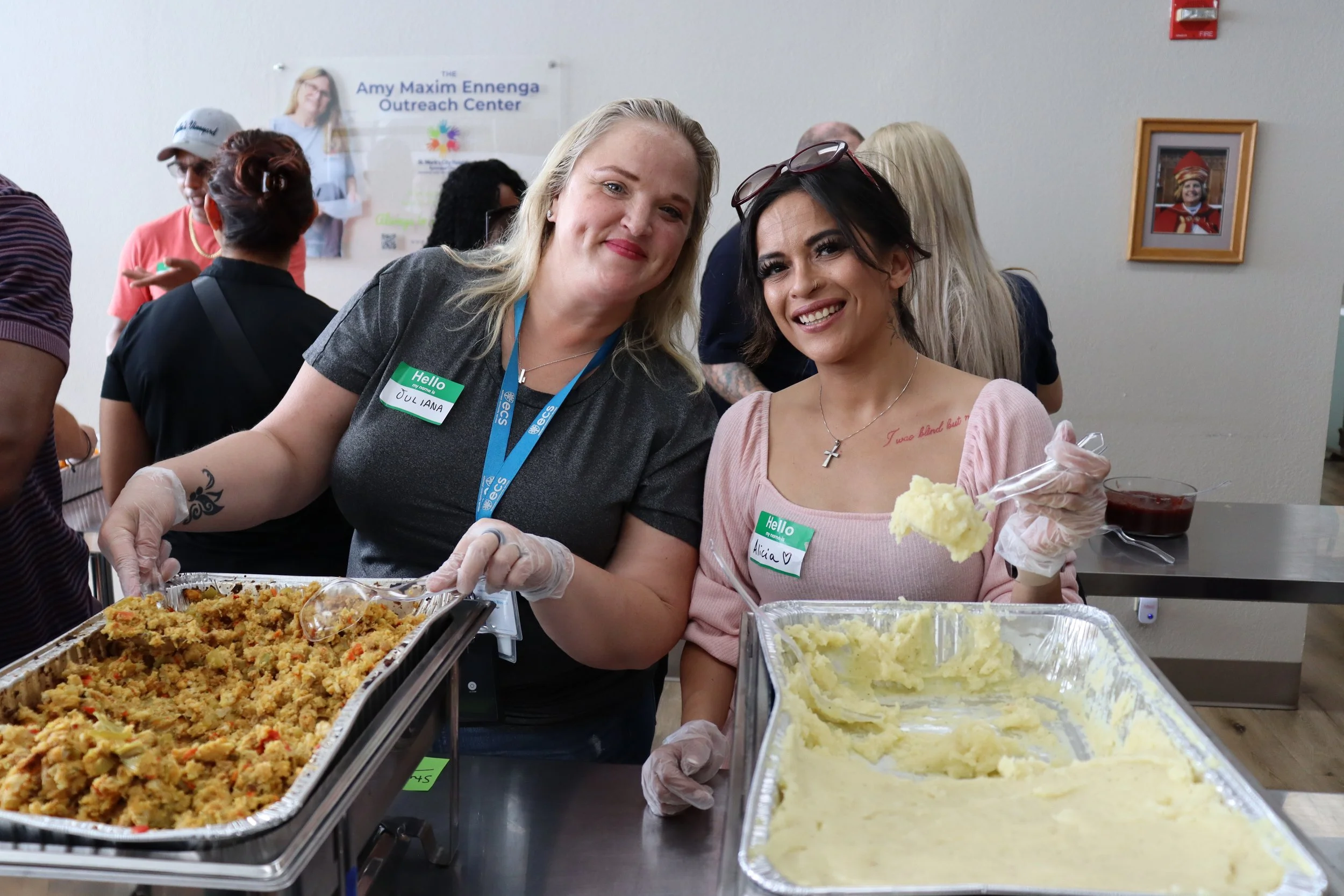
Volunteers serve a Thanksgiving meal. November 2025.

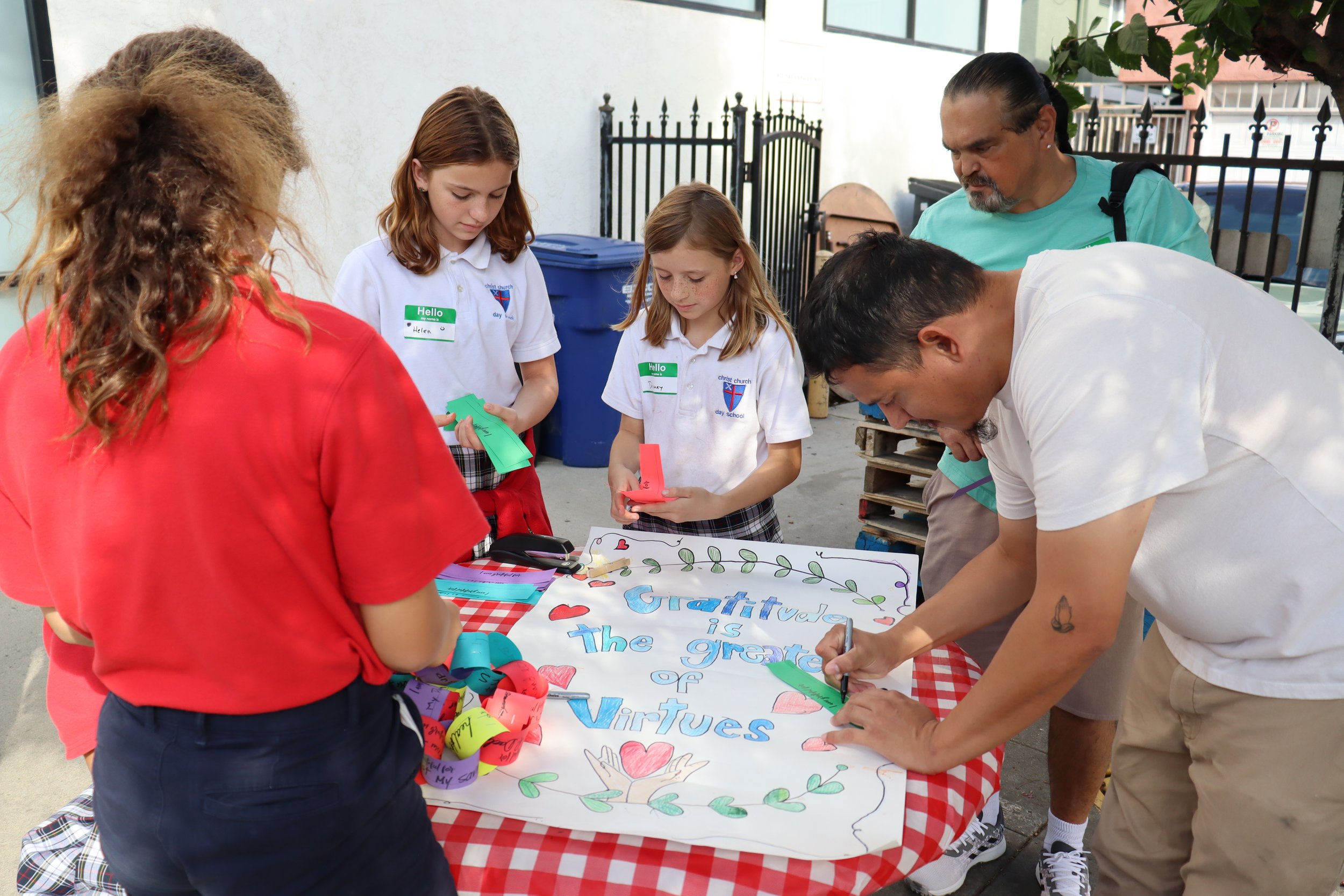
The lunch was hosted at St. Mark’s Episcopal Church. Volunteers from St. Mark’s, Enterprise Bank, Navy Federal Credit Union, Ciprus Consulting, Christ Church Day School, and individual sign-ups made the day possible, helping to prepare the church, providing appetizers and desserts, and greeting and serving the guests. The students from Christ Church Day School even created a gratitude art project for guests to participate. 

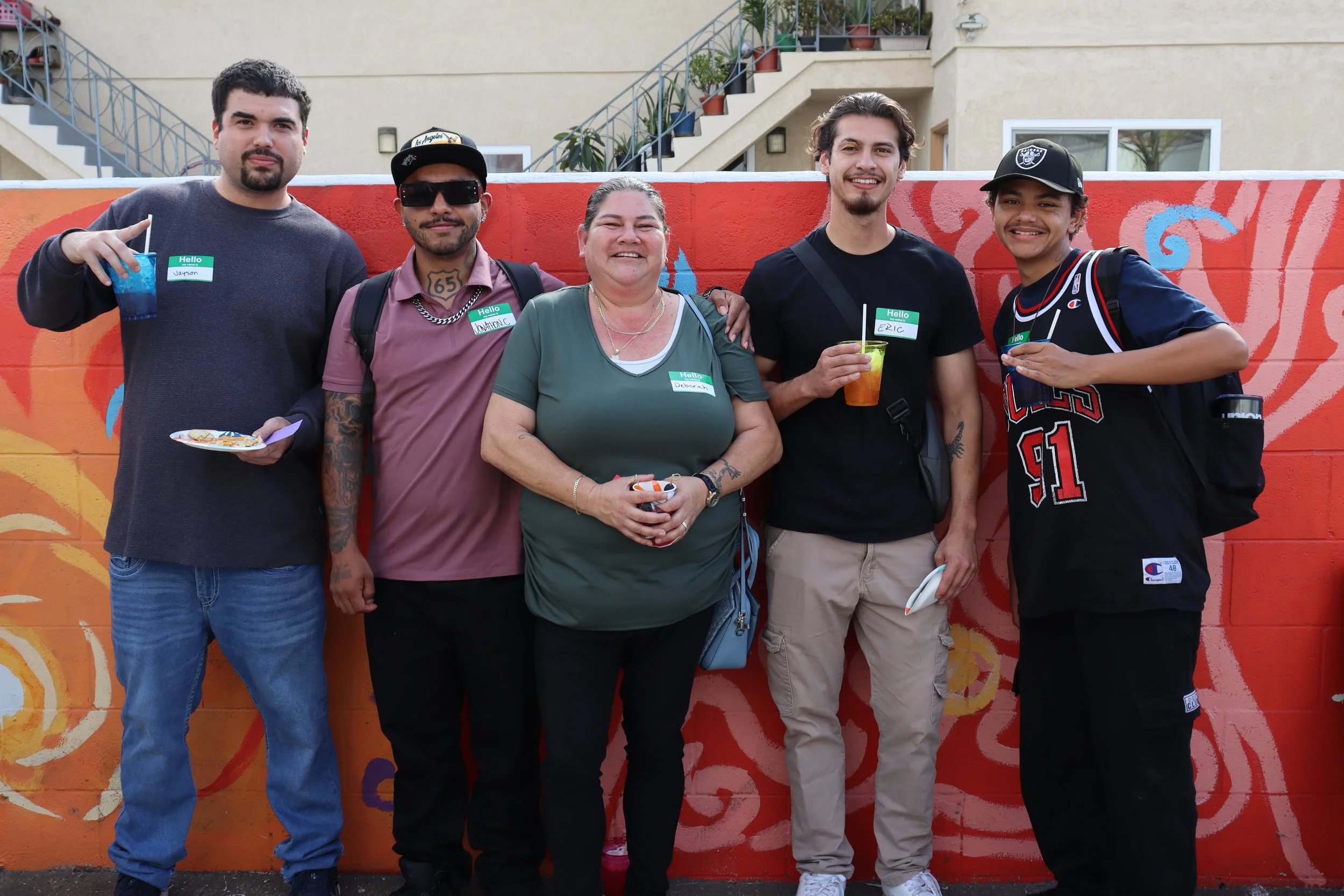
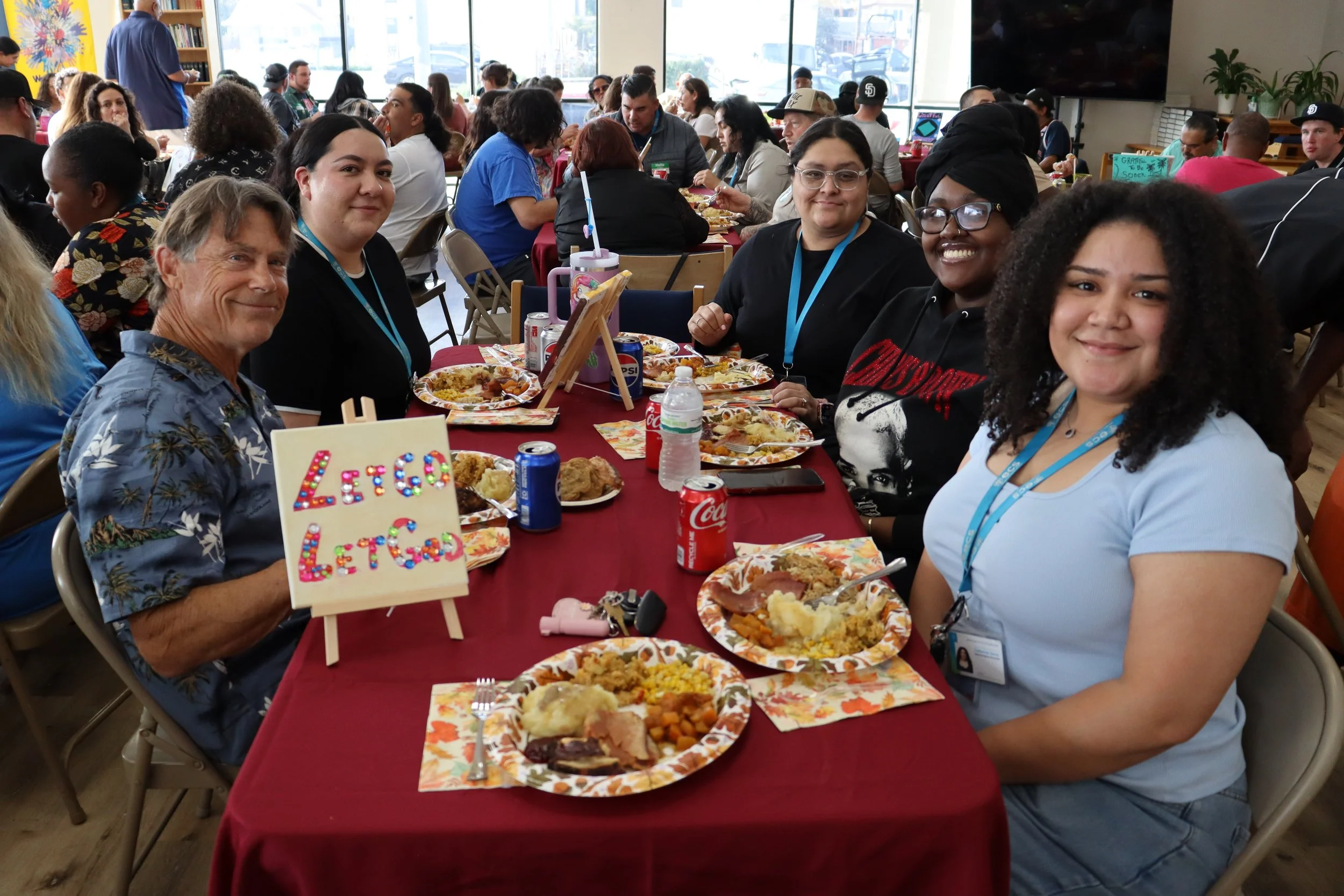
The Recovery Lunch celebrates community. November 2025.

Guests included clients from Central East Regional Recovery Center (CERRC), C-HRT Safe Haven, and Uptown Safe Haven. Some clients also brought family members to join in the celebration.

Renee, a CERRC client, attended the recovery lunch for the first time. “I’m just excited to be here and have new beginnings and second chances to be able to start a new future,” she said. “They [ECS staff] really genuinely care about us and want us to succeed.” Renee is 82 days clean as of the time of the recovery lunch. 

Guests add what they are thankful for to the gratitude art project. November 2025.

Everyone in attendance – from the guests and volunteers to ECS staff and leadership – enjoyed a full Thanksgiving meal together and commemorated the recovery journeys of so many in the room with a chip ceremony. 

Recovery chips were given anyone in the room who had achieved any amount of recovery. Whether someone was celebrating years of sobriety or weeks, the room cheered on their admirable accomplishment. 

Clients, volunteers, staff, and leadership enjoy a Thanksgiving-style feast together. November 2025.

The community aspect of the lunch is what makes the event so special. Sarah, a C-HRT resident shared her view on creating community. “It’s important to show up and contribute and be there to support the community,” she said. Sarah is passionate about helping others and is excited to be an ECS volunteer in the future as a way to give back.   

A huge thank you to St. Mark’s and Fr. Richard for hosting the lunch once again. ECS Recovery Lunch is always a day of celebration, community, and gratitude. It serves as a reminder of the impact ECS’ programs make in the lives of so many and the strength of its clients.   

ECS cannot make this change without support. To help ECS continue to impact the San Diego region and bring real transformation to thousands of individuals and families visit our donate page here: www.ecscalifornia.org/donate.  

Never Going Back

Mark was exposed to alcohol at a young age and began drinking regularly at just 13 years old. After being bullied as a child, Mark was desperate to be liked and to belong; drinking allowed him to fit in. “I thought I was the fun, party, crazy guy, but eventually it started killing me as I got deeper into it,” he said.     

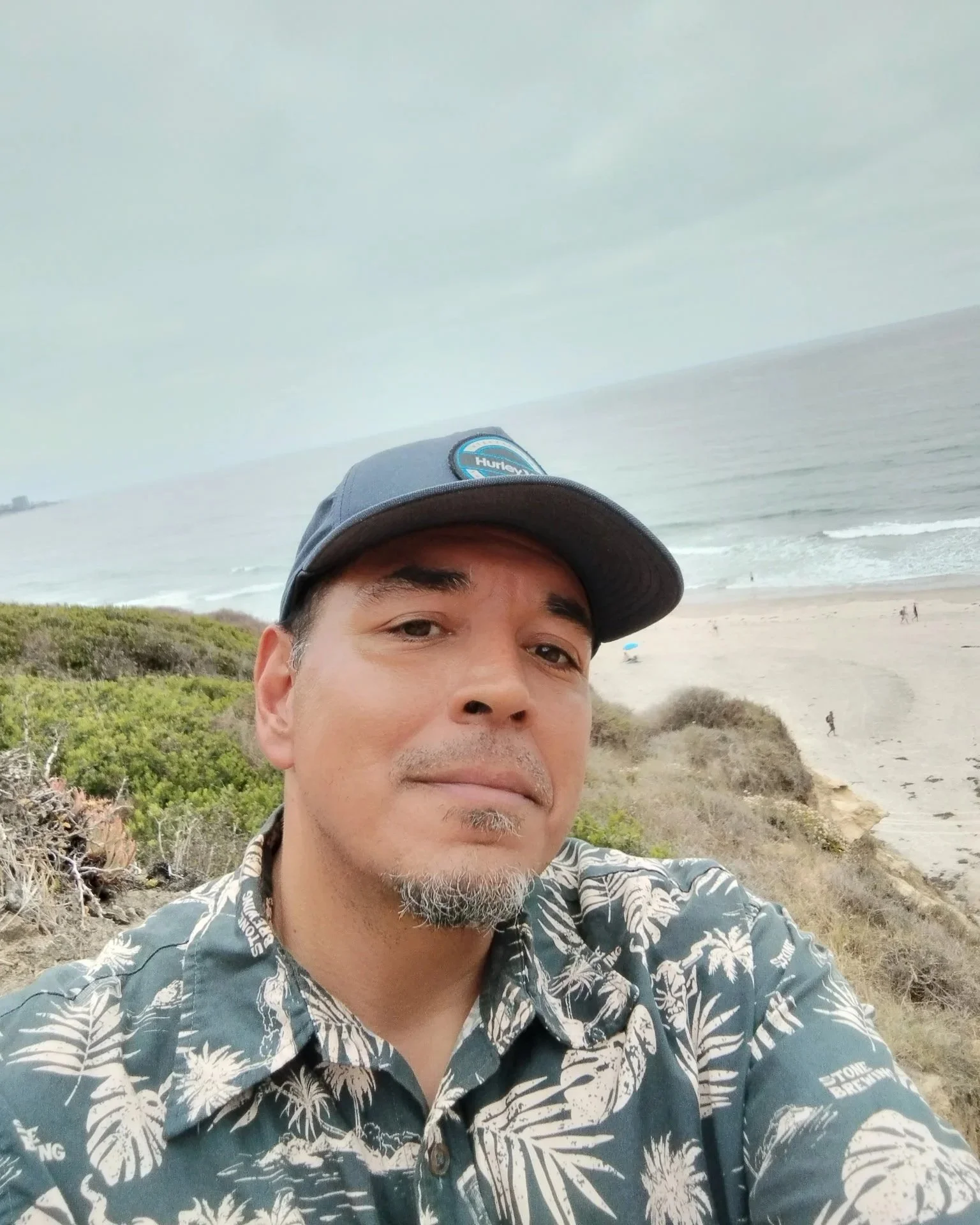
CERRC gave Mark a fresh start. *July 2025.

As Mark got older, his substance use disorder (SUD) only grew. His use of alcohol as a social crutch also became a coping mechanism for his mental health. “I had a lot of depression, anxiety, anger, and I didn't treat it. I didn't have any coping skills. My coping skill was alcohol,” he said. His alcohol use and the negative influences he saw growing up turned him down a path of destruction. “I saw people cheat and lie and steal around me, and that's what I did. That's how I lived my life.”   

By 21, Mark received his first of four DUIs, although he admitted there would be hundreds had he been caught every time he drove under the influence. “Luckily, I didn't kill someone. Luckily, I didn't kill myself. Luckily, they were just DUIs,” he said. Mark’s life became littered with jail time, lost friendships, and broken family relationships.    

Despite the harm occurring around him, Mark was in denial of his SUD. His family and friends tried to talk to him, but he shut them down. “My idea of an alcoholic was the cliché; there's a guy with a paper bag sitting under a bridge,” Mark explained. When he looked at his life – a car, a job, an apartment, an education – he did not see an alcoholic. “The thought of having a problem didn't even cross my mind. Not even close. Even after the DUIs, even after the close calls.” 

SUD and its consequences finally caught up to Mark in February of 2024. He was depressed and unemployed due to an injury. “I was so depressed, everything was dark, and I didn't want to live anymore,” he said. One day he texted his girlfriend, telling her that he planned to commit suicide. The police arrived and Mark barricaded himself in a closet on his balcony, yelling that he had a weapon in hopes that the police would kill him. “They could have shot me. They could have killed me. And by the grace of God, they didn't. They teargassed me. They flash banged me... Finally, when they teargassed me twice, I had to give up because I couldn't breathe,” he said. 

Mark was taken to jail and began to slowly sober up, but as he did, he realized that this situation was no “slap on the hand”; this was serious. “When I went to my first court date, I was looking at some serious charges because of the threat of life on a police officer. There were five counts of that. Nine total felonies after it was all said and done,” he said. “They didn't want any probation... ‘we want him to go to prison. He's a menace.’ That's what the DA said. ‘He's a menace.’”  

While his lawyer looked into recovery programs, Mark turned to God, praying that his SUD be taken away. “I started thinking and I was like, ‘Lord, you know... I want to get help. I'm asking for it. I'm begging for it. For the first time I'm saying, I'm an alcoholic. I am an alcoholic,’” he said. “‘I want help. Please help me.’” Hoping against all odds for help and for mercy from the court, God answered Mark’s prayers. “The judge overruled the district attorney and said, ‘I'm gonna give him help,’” Mark said.    

Mark was sent to CRASH and then to ECS Central East Regional Recovery Center (CERRC). By chance, his CERRC counselor, Charles, graduated from CRASH, as well. He knew where Mark was coming from and how to best continue his recovery journey. “For me, it was life and death. I need someone who's going to tell me how it is, not tell me what I want to hear, but tell me what I need to hear,” Mark said. 

Mark shared that the entire CERRC team – from the front desk associates to the case managers and counselors – was wonderful and saw his progression. Stephanie helped him get his EBT card, set up a dentist appointment, and work on his resume. Rachel helped him find a sober living in which he could thrive. 

Group sessions and empathetic counseling are a few features of CERRC that uplift clients to recovery. *July 2025.

The group sessions were particularly impactful for Mark. “We're all different walks of life. You know, you can have the meanest looking guy with tattoos on his face and he's breaking down crying,” he said. “I started gaining a lot of empathy in those groups. I cared about some of these people. I literally exchanged numbers with them and would check on them, see if they're okay. And I never cared about anybody. I didn't even care about myself.” 

Now, as a CERRC graduate, Mark is building himself up, taking care of himself mentally, physically, emotionally, and spiritually. “Alcohol was the start of the problem, but now we got to work on ourselves,” Mark said. 

He has a sponsor, goes to meetings, and does meditation each morning. He has a job he loves where all of his co-workers also happen to be in sobriety. He has a good relationship with his family again and just welcomed a new grandbaby. Mark shared how he is committed to demonstrating his new lease on life to his loved ones. “I can tell you all day long that I'm not going to drink for the rest of my life and you can take it however you want to. But if I show you, well then, I'm showing you,” he said. “I'm taking action.” 

CERRC helped Mark achieve the unthinkable and rewire his mindset to find healthy coping mechanisms. “I don't have to drink because I'm stressed. I don't have to drink because I'm angry. I don't have to drink because I'm happy. I can do other things,” he said. Now, recovery is so important to Mark, it’s even apparent in his sleep. “I started having sober dreams where I would tell somebody, ‘Oh, no, I don't drink. I'm sober,’ in my dreams, instead of having the using ones.” 

The cherry on top of all the goodness in Mark’s life? All of his charges have been dropped like they never happened. “I'll always be in recovery. Do I have an alcohol problem now? I don't think so. My problem is just trying to be a better person,” he said. “Doing different and being different, being better.”  

One way Mark has proven his effort to be better is through sharing his recovery story. He has spoken at AA panels, crisis centers, and H&I (Hospitals and Institutions) panels. “It's freeing for me. I'd held all this stuff in for not years, but decades. And I don't have to lie anymore. I don't have to be someone I'm not. I can tell you the good, the bad, the ugly, and, you know, if someone wants to judge me, well then, they're going to judge me. That's not my problem. My responsibility is to help someone else.” 

Alcohol no longer controls Mark’s life. Just a year and a half ago he had totally given up. Now, with the help of CERRC, he has reclaimed and reshaped his life in incredible ways. “It really does work. I didn't believe it. I was like, ‘yeah, you tell me all this crap, but I'm not going to be smiling. I don't smile.’ And I'm smiling. I'm happy,” he said. “This program is amazing. It saves people.” 

To learn more about CERRC visit  https://www.ecscalifornia.org/central-east-regional-recovery-center

*Caption dates may not be exact.