
Early learning years set the foundation for a lifetime of learning – inside and outside of the classroom. STEAM learning is designed to help children build key skills that will guide them in academics and the challenges of everyday life.
STEAM – science, technology, engineering, arts, and math – uses hands-on learning to engage students in critical thinking, exploration, and problem solving. Every week, a “problem” is presented to the classroom. Throughout the week, students work in small groups or independently to solve the problem using the engineering design process:
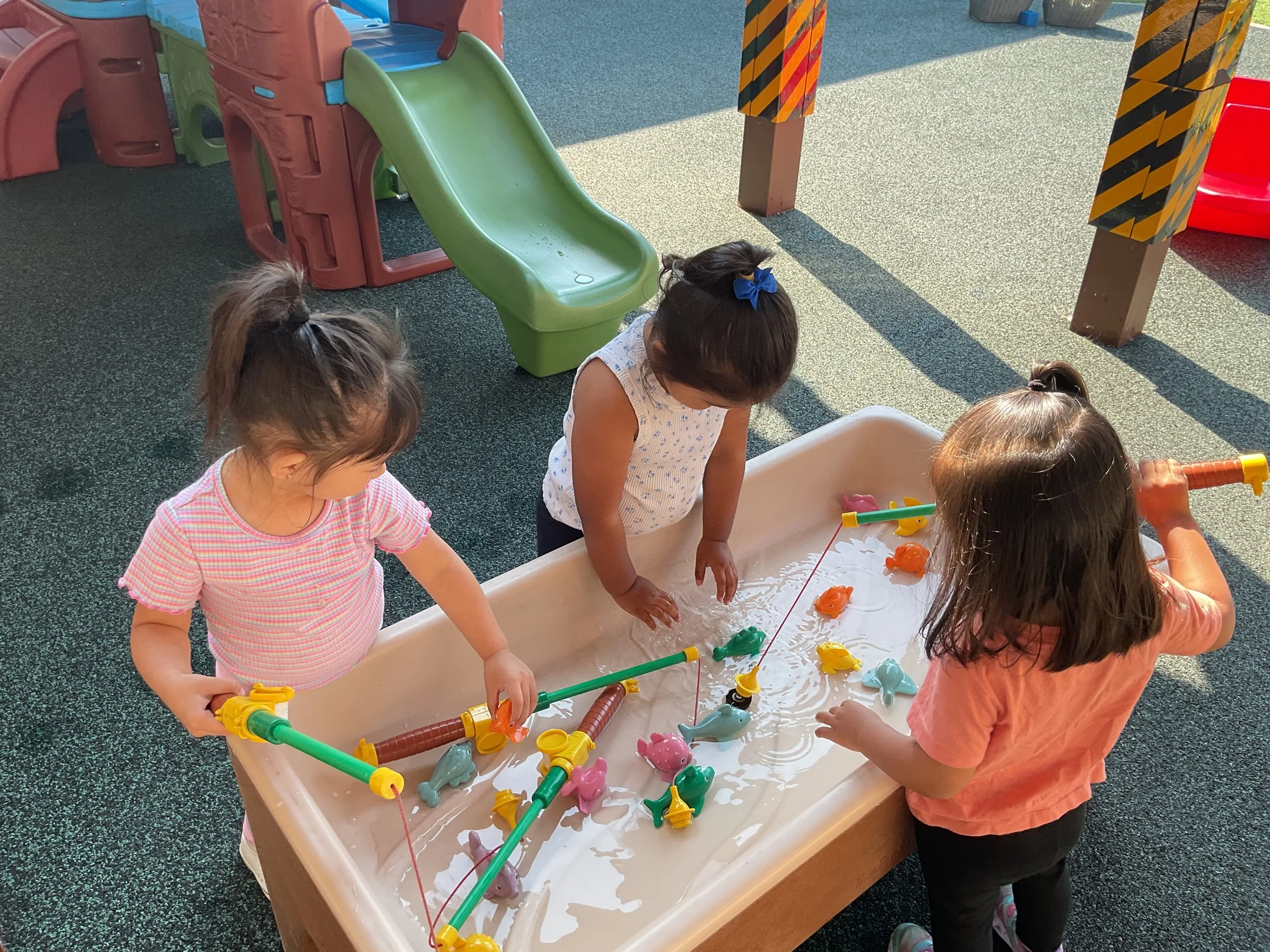
STEAM learning promotes curiosity through hands-on, play-based activities. November 2025.
Think through a problem
Plan possible solutions
Design and create the best solution
Test the design
Share the results
STEAM learning happens all the time. Anytime a child explores new things, they are investigating the world around them and learning to find creative solutions. ECS Head Start embraces this form of learning and brings it into the classroom to help students develop skills such as critical thinking, problem-solving, creativity, collaboration, and resilience.
“Play-based STEM/STEAM activities help toddlers and preschoolers to become explorers, problem-solvers, creative inventors, and critical thinkers,” said child development specialist Jennifer Anthony. “Children build early skills in science, technology, engineering, and math.”
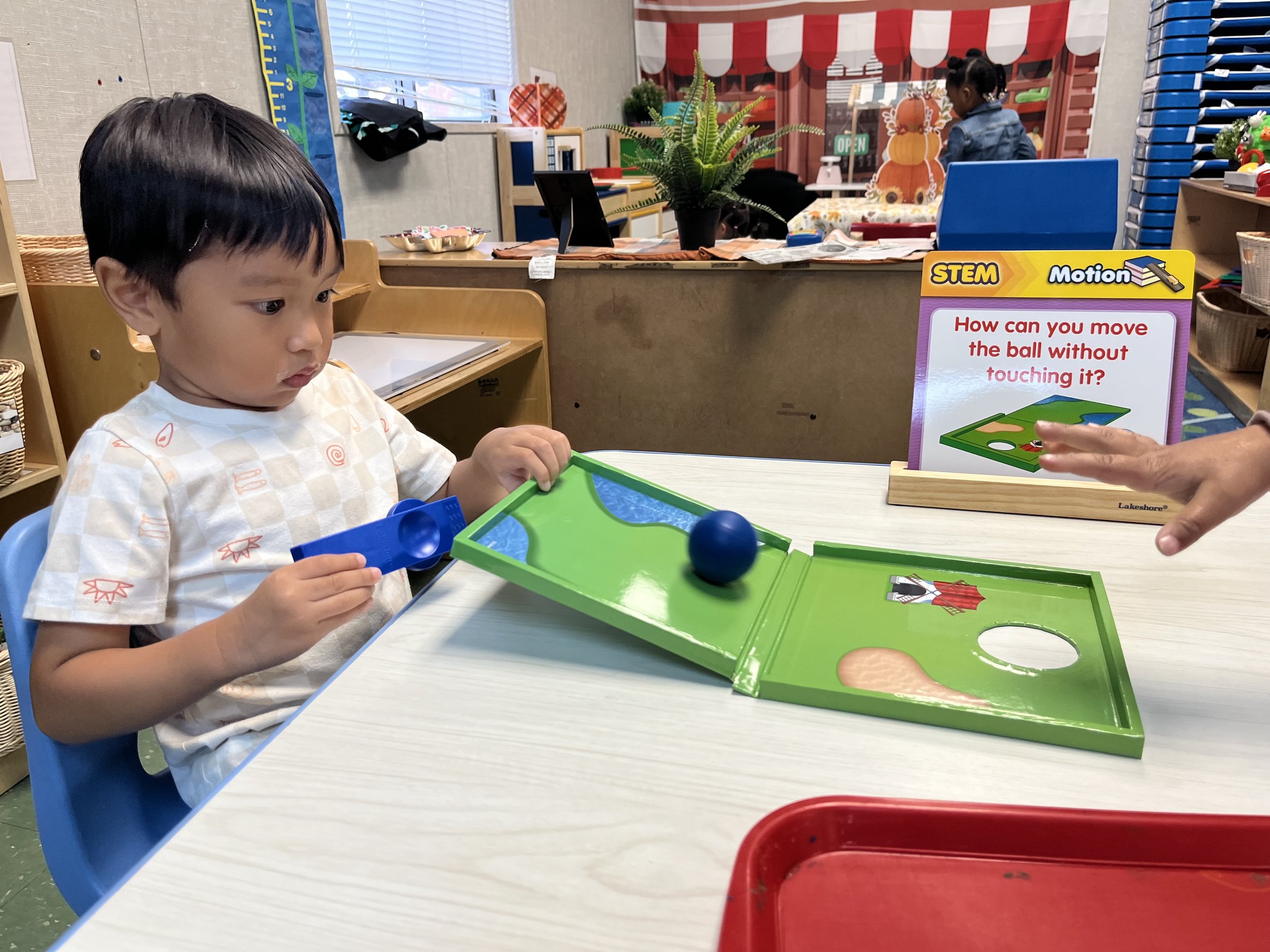
Problem solving is an essential skill that Head Start students develop through STEAM. November 2025.
Research shows that early introduction to STEAM learning not only encourages development in science and math, but it also strengthens language and literacy skills.
Head Start Senior Manager Joan Borgonia explained, “Curiosity, problem-solving, creativity, and the ability to make sense of the world is being developed every day in our Head Start and Early Head Start classrooms. Through play-based experiences, teachers create meaningful opportunities for children to explore and learn.”
A STEAM curriculum is especially important for programs like Head Start which support systemically underprivileged children who may not have exposure to STEAM learning outside of the classroom. Early engagement in STEAM at Head Start helps uplift students to meet their fullest potential as they move to kindergarten and beyond.
To learn more about ECS’ Head Start STEAM Learning, visit STEAM Learning — Episcopal Community Services.
If you’d like to support this program, please contact Adrienne Wilkerson, VP of Strategic Engagement.